WSL Solar has been a professional manufacturer of custom solar panels and solar solution provider in China since 2006. With our in-house R&D team and management team for over 17 years’ experience in solar industry, we can design and develop customized solar panels in a variaty of sizes, shapes and outputs according to our client’s specific requirement, and provide solution support start from their initial product development stage.
Welcome to contact us for high quality customized solar panels.
Recently, under the combined effect of the greenhouse effect and the El Niño phenomenon, extreme high temperature weather has generally occurred in various parts of the world. For photovoltaic modules exposed for a long time, high temperatures will reduce their power generation, affect the power generation efficiency of the modules, accelerate the loss of sensitive components, and reduce the insulation performance of the enameled wires of motor coils in photovoltaic modules, cables, inverters and other electrical equipment, causing a short circuit and ignition of the circuit. In severe cases, it may even cause a fire in the photovoltaic power station, endangering personal safety and property safety.
Since the design and operation cycle of photovoltaic power plants is as long as 25-30 years, they are bound to experience extreme weather many times during their long life cycle. So, what efforts have photovoltaic manufacturers made to ensure that modules operate reliably at high temperatures?
By observing the “peak power temperature coefficient” (Pmax) of the solar module, we can intuitively compare the power generation performance of photovoltaic modules from different manufacturers in high-temperature environments, and then evaluate their heat resistance. The peak power temperature coefficient is a negative number. The smaller its absolute value, the better the power generation performance of the component under high temperature conditions. Generally speaking, when the module operates at a standard operating temperature of 25°C, the module output power is 100%. After that, every time the operating temperature increases by 1°C, the module output power will decrease accordingly. For example, the peak power temperature coefficient of the mainstream PERC solar module currently on the market is -0.34%/°C. When the operating temperature of the solar module is higher than 25°C, its output power will decrease by 0.34% for every degree of increase.
In an era of frequent extreme weather, solar modules with smaller absolute peak power temperature coefficients are obviously more popular.
WSL Solar has been a quality and professional manufacturer of custom solar panels, solar mini panels, IoT solar panels and solar solution provider in China since 2006. https://www.wsl-solar.com
Organic Solar Cell (OSC) is a solar cell made of organic materials such as dyes or conjugated polymers, which can convert sunlight into electrical energy, and has high stability and preparation flexibility.
Organic solar cells work by absorbing sunlight and photons excite and separate charges to form charge carriers. In organic solar cells, conjugated polymers are usually used as charge transport materials, in which cations or oxides with low ionization potential are used as electron acceptors, and the charge transfer between the conjugated group and the electron acceptor constitutes the charge separation, the process of transport, which is the determinant of the performance of organic solar cells.
Compared with traditional silicon solar cells, organic solar cells have the characteristics of low manufacturing cost, good flexibility, and adjustable color. Specifically, their main advantages are:
Low manufacturing cost: Compared with silicon solar cells, the manufacturing cost of organic solar cells is lower, and the preparation process is simple, and simple preparation methods such as printing can be used.
Good flexibility: Since organic solar cells use flexible organic substances and substrates, they have higher bendability and thinness, and can be made into various forms of flexible solar cells.
Adjustable color: organic solar cells are made of organic materials such as dyes or conjugated polymers, and the color range of solar cells can be adjusted by changing the type and ratio of materials.
Organic solar cells also have some disadvantages, mainly including:
Low Efficiency: Current organic solar cells have lower conversion efficiencies than crystalline silicon solar cells.
Poor stability: Organic substances are more easily affected by factors such as light, oxygen, and moisture. Therefore, organic solar cells have poor stability and are hardly suitable for long-term stable operation.
Short lifespan: Due to the relatively short lifespan of organic solar cell materials, the stable output of solar cells cannot be guaranteed for a long time.
At present, organic solar cell technology is still under continuous research and development, and its advantages in flexibility, low cost, and adjustable color still have great prospects and potential.
Posted by Carrie Wong | WSL Solar Co., Ltd. WSL Solar has been a quality and professional manufacturer of customized solar panels and solar solution provider in China since 2006. https://www.wsl-solar.com
An ETFE solar panel is a type of solar panel that uses a lightweight and durable plastic called ETFE (ethylene tetrafluoroethylene) as its transparent cover material. ETFE is a fluoropolymer that is known for its toughness, high transparency, and corrosion-resistant properties. Compared to glass, which is a common material used in conventional solar panels, ETFE has a few advantages, such as being more flexible, lightweight, and able to withstand extreme temperatures and harsh weather conditions.
The use of ETFE enables the creation of flexible and thin-film solar panels that can be used in a wide range of applications, such as electric vehicles, portable chargers, and IoT applications etc. ETFE solar panels are also considered to be more aesthetically pleasing than traditional solar panels due to their translucency, which allows them to blend in more naturally with the surroundings.
Overall, ETFE solar panels are a promising technology that could open up new possibilities for solar power generation and integration in various industries.
WSL Solar has been a quality and professional manufacturer of custom solar panels, solar mini panels, IoT solar panels and solar solution provider in China since 2006.
Which is better, polycrystalline silicon solar panels or monocrystalline silicon solar panels?
Both polycrystalline and monocrystalline silicon solar panels have their advantages and disadvantages depending on the specific application. Here are a few differences:
1. Efficiency: Monocrystalline solar panels generally have a higher efficiency, as the manufacturing process produces more pure silicon that has a uniform look and consistent performance. Polycrystalline solar panels, on the other hand, use silicon fragments and have a lower efficiency.
2. Space: Monocrystalline solar panels tend to have a higher power output per unit of space, making them a good option for installations with limited space. Polycrystalline solar panels require more space to generate the same amount of power, making them a good option for larger installations with ample space.
3. Cost: Polycrystalline solar panels are generally less expensive to produce than monocrystalline solar panels, making them a more affordable option. However, as manufacturing processes improve, the difference in pricing has become less noticeable.
4. Temperature and shading: Polycrystalline solar panels are better suited for installations with high outdoor temperatures and shading, while monocrystalline solar panels perform better under low light conditions.
Ultimately, the choice between polycrystalline and monocrystalline solar panels will depend on a variety of factors, including budget, space limitations, and performance requirements.
WSL Solar has been a quality and professional manufacturer of custom solar panels, solar mini panels, IoT solar panels and solar solution provider in China since 2006.
Amorphous silicon solar cells (a-Si solar cell) are devices that convert light energy into electrical energy through photoelectric or photochemical effects. Amorphous silicon cells are solar cells made of amorphous silicon thin films deposited on conductive glass substrates. This kind of solar cell features with low cost and good performance at weak light condition, it has been widely used in micro-low-power power supplies for indoor use, such as watch batteries, calculator batteries and self-powered wireless sensor etc . Welcome to watch this video to know more about a-Si solar cell.
Created by Carrie Wong | WSL Solar
WSL Solar has been a quality and professional manufacturer of custom solar panels and solar solution provider in China since 2006.
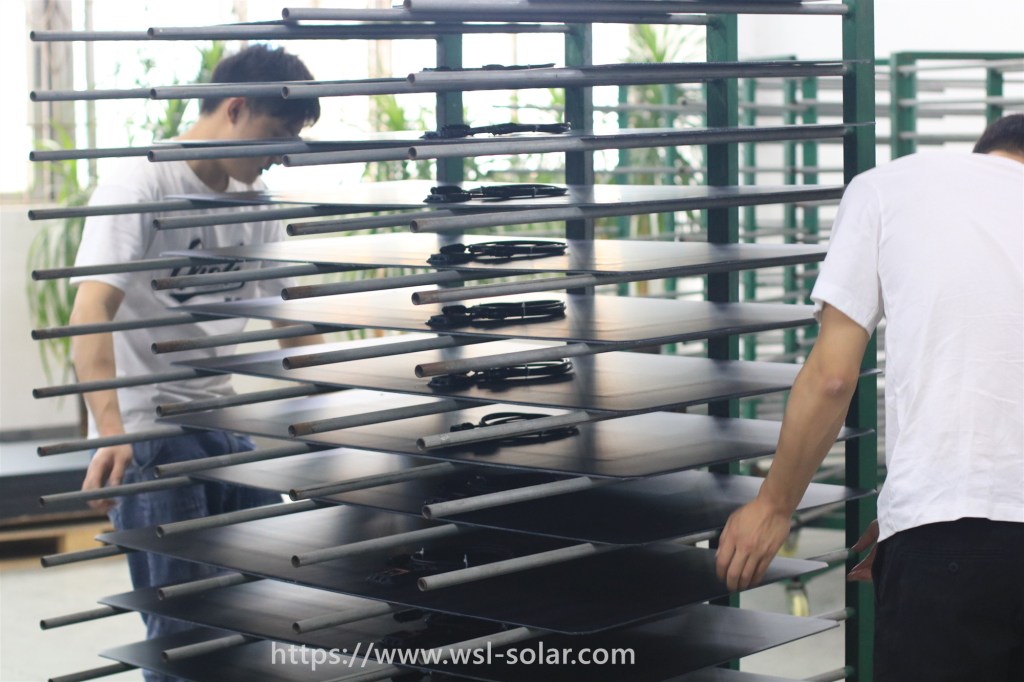
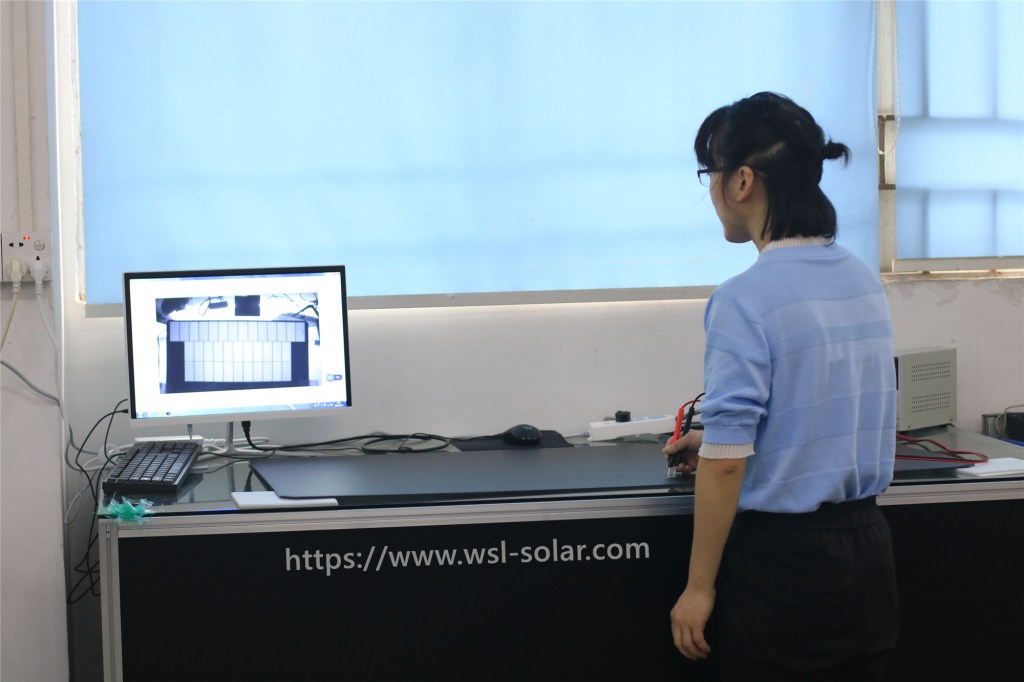
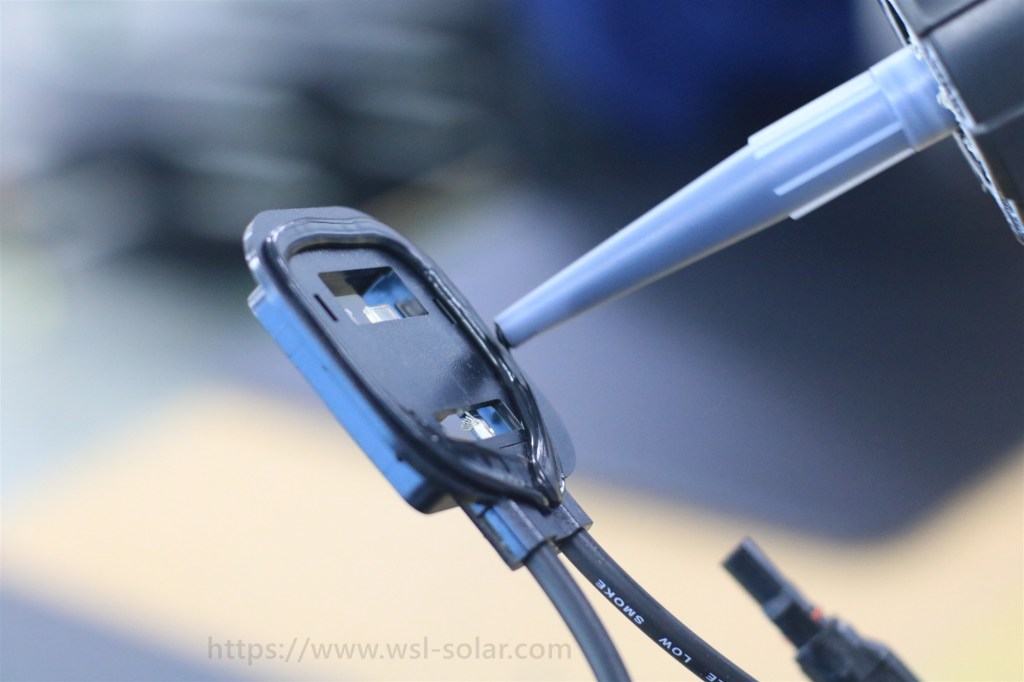
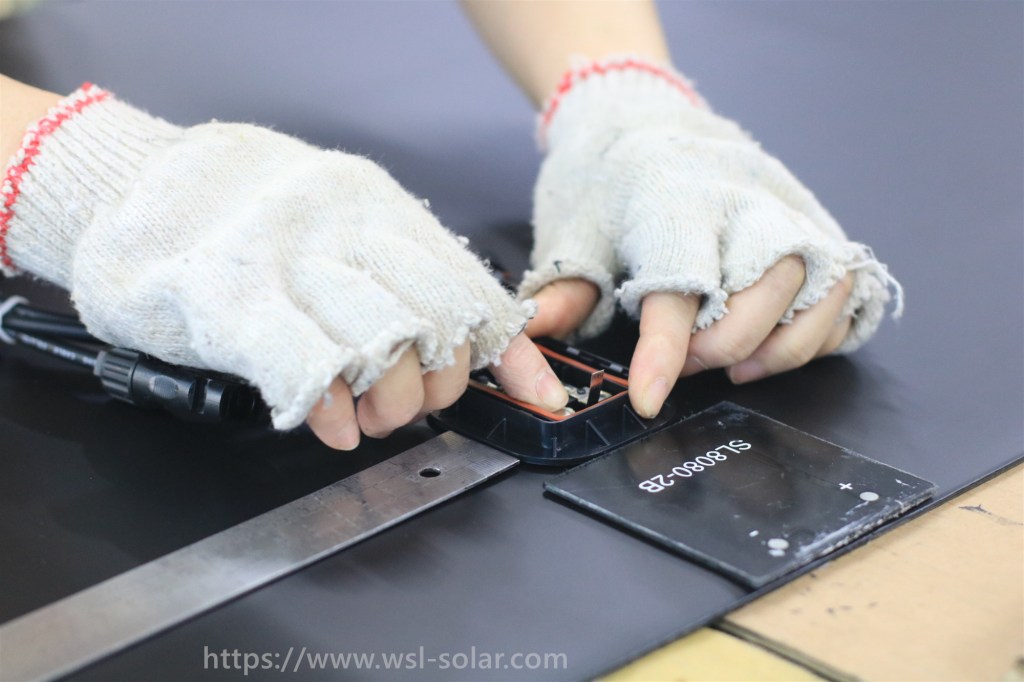
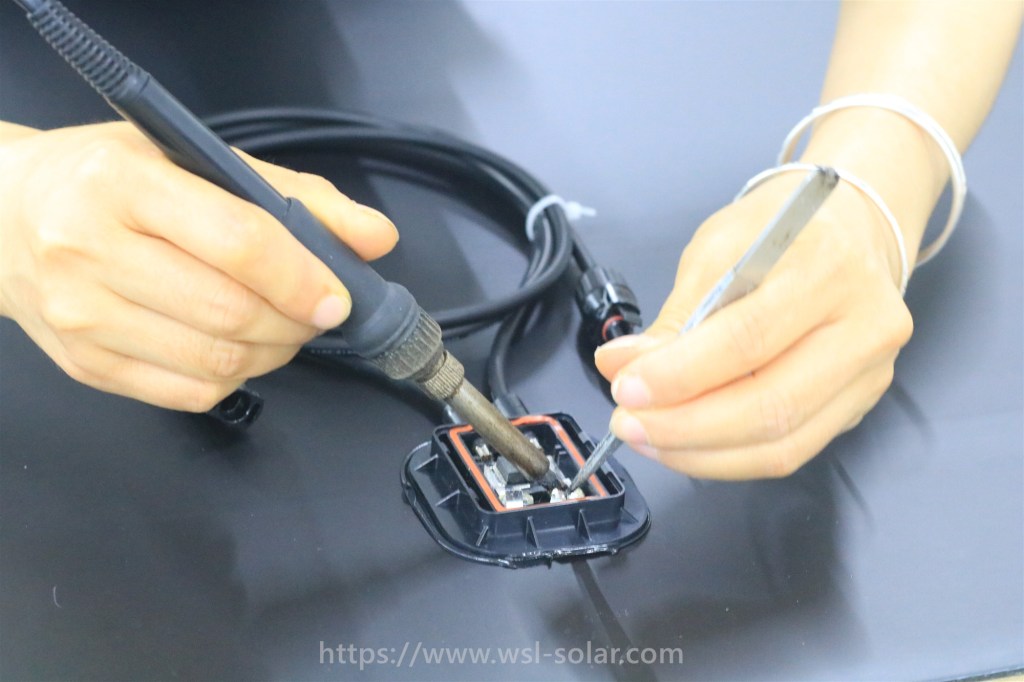
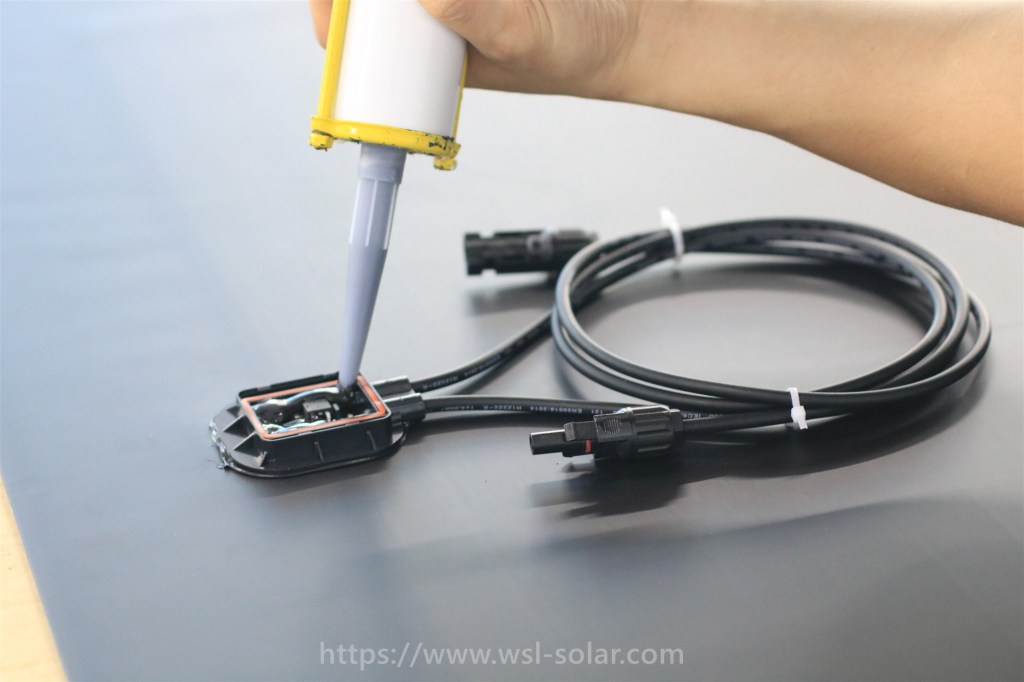
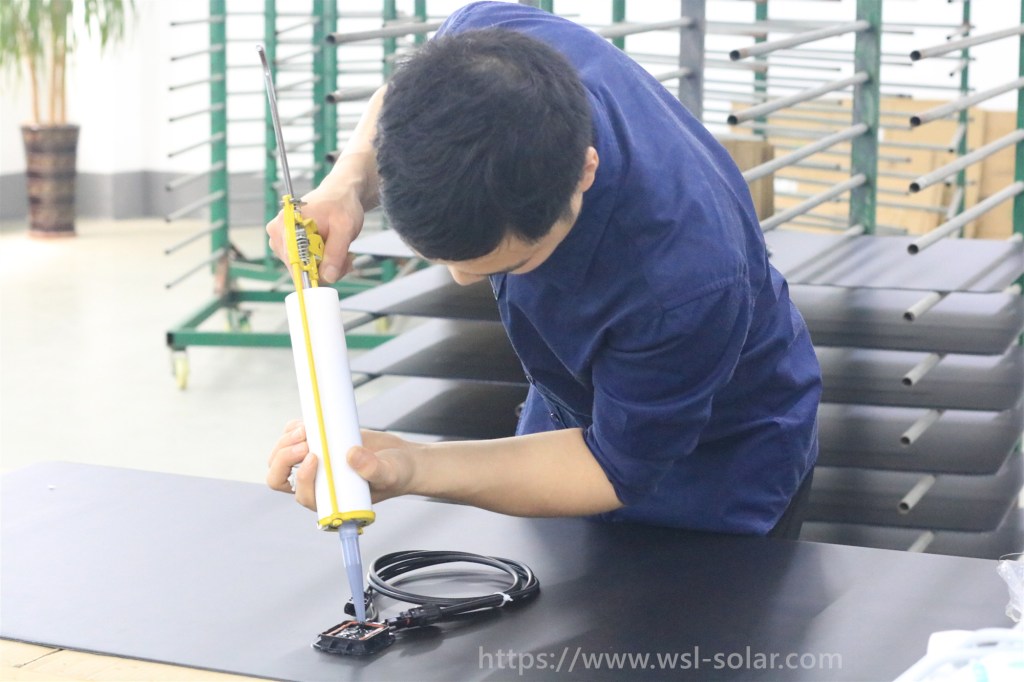
Many thanks to our employees for their hard work. Pay attention to every detail in the production process, such as wire welding, silicone molding, EL testing, measuring dimensions, etc. It is because of their carefulness and hard work that we can produce high quality solar panels.
WSL Solar has been a quality and professional manufacturer of custom solar panels, solar mini panels, IoT solar panels and solar solution provider in China since 2006.
Photovoltaic glass is a special type of glass that converts sunlight into electricity by encapsulating solar cell modules in layers of glass. Usually low-iron tempered glass or double-layer glass is used, and the surface is coated with anti-reflection coating and transparent conductive layer.
Float glass is a common glass manufacturing process. In the production process, glass raw materials (such as silica sand, sodium carbonate, limestone, etc.) are melted, flowed out evenly from the top of the glass melting bath, and solidified into thin flake glass after cooling. This technique produces high-quality, uniform-thickness glass for a wide variety of applications.
The difference between photovoltaic glass and float glass is mainly reflected in the following aspects:
Different uses: Photovoltaic glass is mainly used in the manufacture of solar panels, while float glass is widely used in construction, automobiles and other fields;
Different materials: Photovoltaic glass usually uses special materials such as low-iron tempered glass or double-layer glass, while float glass is produced by using ordinary glass raw materials through special processes;
The manufacturing method is different: photovoltaic glass needs to be coated with anti-reflection coating and transparent conductive layer on the surface, and the solar cell module is encapsulated in it. Float glass, on the other hand, is made from thin sheets of glass by melting the raw material.
Different performance requirements: Photovoltaic glass needs to have certain special properties such as transmittance, reflectivity and wind pressure resistance, while float glass mainly requires uniform thickness, high strength and light transmission performance.
WSL Solar has been a quality and professional manufacturer of custom solar panels, solar mini panels, IoT solar panels and solar solution provider in China since 2006. https://www.wsl-solar.com
Considering factors such as conversion efficiency of solar panels, technical level, maturity of production process, market share, etc., for large-scale grid-connected photovoltaic power plants, the types of solar panels currently commonly used can be roughly divided into crystalline silicon solar panels and amorphous silicon solar panels. Crystalline silicon solar panels are further divided into monocrystalline silicon solar panels and polycrystalline silicon solar panels. Amorphous silicon solar panels are mainly thin-film solar panels. The following is a brief analysis of the conversion efficiency of various photovoltaic solar panels:
1. Monocrystalline silicon solar panels Monocrystalline solar panels are the most common high-efficiency solar panels on the market today. The production process and technological breakthroughs of the single crystal industry chain determine that it has a more perfect crystal lattice, can better absorb light, and has a higher conversion efficiency. For monocrystalline solar panels, the efficiency of PERC high-efficiency monocrystalline solar cells has exceeded 23%, setting a world record. The conversion efficiency of ordinary monocrystalline solar cells is also above 19%, which is the highest photoelectric conversion efficiency among all types of solar cells. With the continuous maturity of technology, the price of monocrystalline solar panels is almost the same as that of polycrystalline. Because monocrystalline silicon is generally encapsulated with tempered glass and waterproof resin, it is durable and its service life can generally reach 20 years, and the maximum can reach 30 years.
2. Polycrystalline silicon solar panels Compared with monocrystalline solar cells, the silicon wafer of polycrystalline solar cells is a combination of multiple tiny single crystals, with a large number of grain boundaries in the middle, including many defects. It is actually a minority carrier recombination center, thus reducing the polycrystalline silicon. At present, the conversion efficiency of polycrystalline solar cells is about 18%-20%.
3. Thin film solar panels After several years of rapid development, the laboratory efficiency of single-junction amorphous silicon thin-film solar cells can reach about 12.7%, and the laboratory efficiency of microcrystalline silicon multi-junction solar cells can reach 13.4%. The laboratory photoelectric conversion efficiency of solar cells can reach 16%, and the average efficiency of commercial solar cells is 8%-10%. The conversion efficiency of copper indium gallium selenide can reach 14%.
However, compared with crystalline silicon solar panels, the main problem of thin-film solar panels is the low photoelectric conversion efficiency, and the area of thin-film solar panels required to convert the same amount of electric energy is huge. In addition, thin-film solar panels also have the disadvantage of poor stability, and their energy conversion efficiency changes with the prolongation of irradiation time. These shortcomings are the biggest obstacles to the wide application of thin-film solar panels. From the analysis of the conversion efficiency of the above three types of photovoltaic solar panels, it is not difficult to see that the conversion efficiency of crystalline silicon solar panels is significantly higher and more stable than that of thin-film solar panels. Monocrystalline silicon solar panels have significantly higher conversion efficiency and are more stable than polycrystalline silicon solar panels. For the selection of photovoltaic power plant components, it should be combined with the specific conditions of the project, and the corresponding technical and economic comparison analysis should be carried out to finally determine the best solar panel selection suitable for the photovoltaic power plant.
WSL Solar has been a quality and professional manufacturer of custom solar panels, solar mini panels, IoT solar panels and solar solution provider in China since 2006. https://www.wsl-solar.com
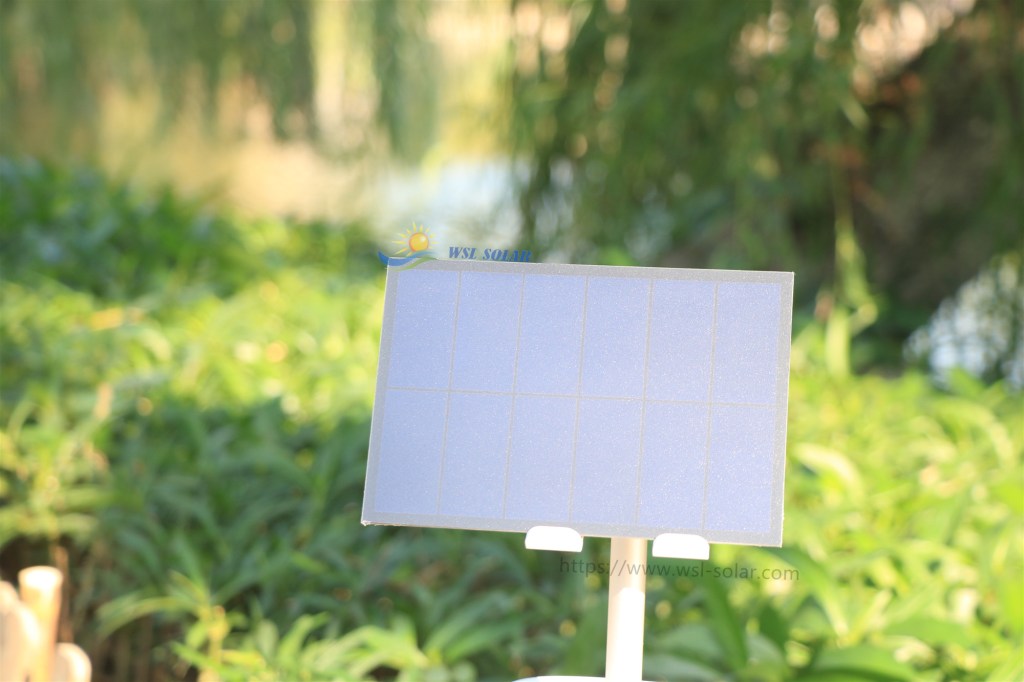
This 5v 5w solar panel utilizes high efficiency mono PERC solar cells with efficiency up to 22.5%, to ensure its high output. It is laminated by tempered glass to protect the solar cells inside, making it rigid, durable and long lasting. This IoT solar panel is waterproof, scratch resistant, and UV resistant, specially designed for long term outdoor use in any challenging condition.
Key Features:
– Utilize high efficiency mono PERC solar cell, up to 22.5% efficiency – Laminated by tempered glass, rigid, durable and long lasting – Waterproof, scratch resistant, and UV resistant – Customized solar panels for industrial use
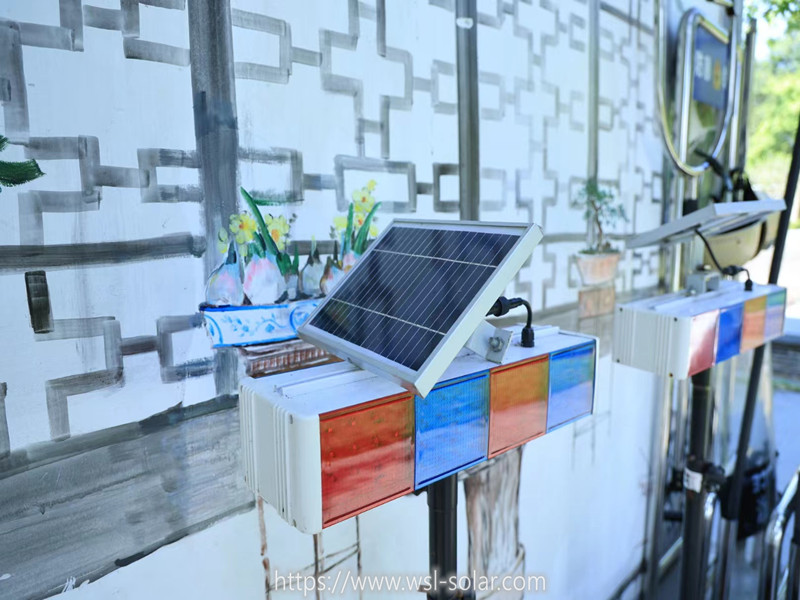
Applications: Tempered glass solar panels are widely used in IoT applications, marine buoys, wireless sensors, traffic warning devise, GPS devices, asset tracking, electric fence chargers, outdoor lighting systems, weather monitoring systems etc.





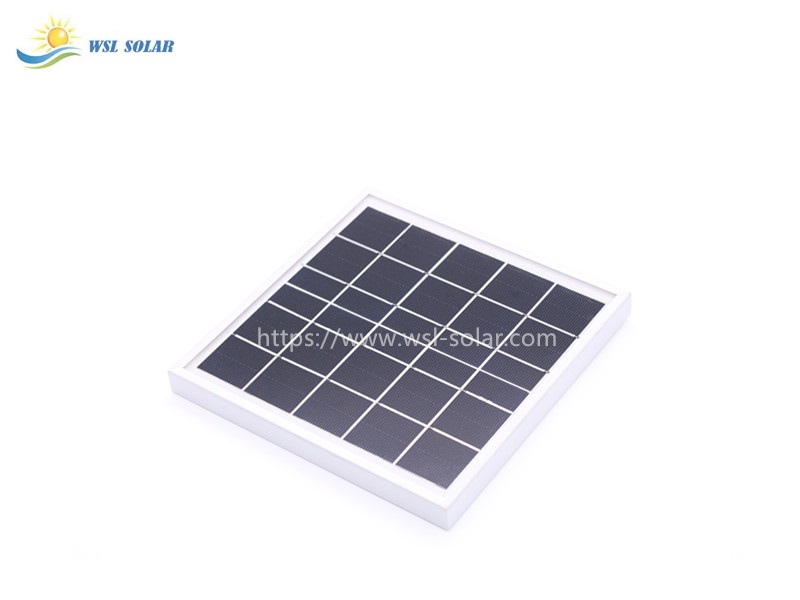
 Custom Solar Panel