The key to choosing between ETFE and PET lies in your intended use and duration: choose ETFE for long-term outdoor applications, and PET for short-term or indoor use.
While both are lightweight polymer materials, they differ significantly in performance and application. ETFE is a more modern and durable option, while PET is primarily geared towards scenarios where cost and lifespan are less critical.
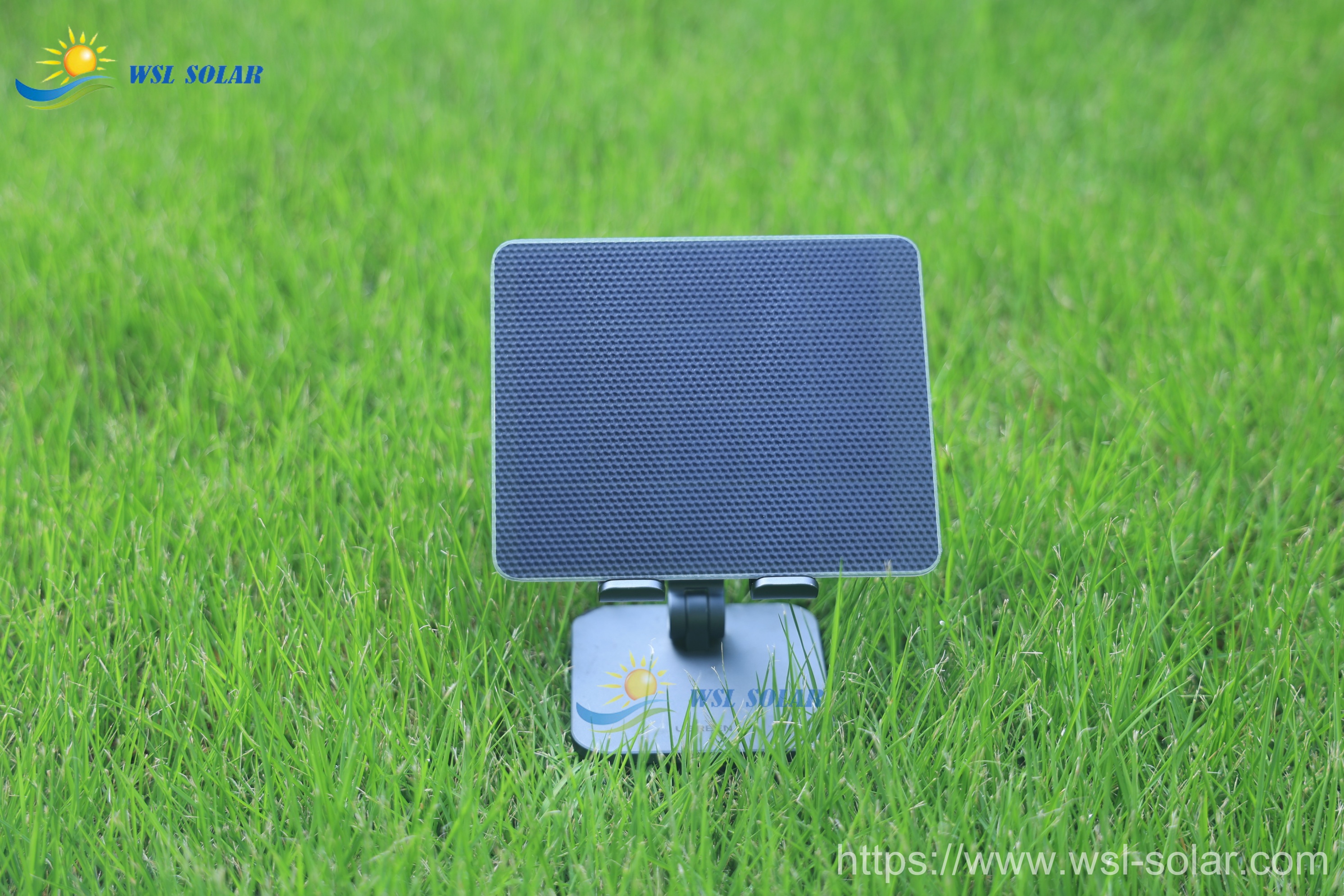
To make this clearer, I’ve summarized their key differences in the table below:
| Comparison Dimensions | ETFE (Ethylene-Tetrafluoroethylene Copolymer) | PET (Polyethylene Terephthalate) |
| Positioning and Trends | Mainstream high-performance material, used as a lightweight front panel to replace glass | Early or basic material, mostly used in low-cost, low-power products |
| Typical Lifespan | 7-10 years, strong weather resistance | 1-3 years, faster aging in outdoor environments |
| Light Transmittance | Very High (95%) | Moderate (85-90%) |
| Surface Characteristics | Hydrophobic, dustproof, strong self-cleaning ability, not easy to accumulate dust | High surface energy, easily attracts dust, and frosted versions have a risk of shedding sand |
| Weather Resistance and Aging Resistance | Excellent, UV resistant, resistant to damp heat, low risk of yellowing in long-term outdoor use | Poor, PET substrate is not resistant to ultraviolet light, must rely on other materials for protection before outdoor use |
| Flexibility | Bendable, suitable for curved surfaces of a certain curvature | Has some flexibility, but not as good as ETFE, easily damaged by repeated bending |
| Cost | Higher, higher technical content and material cost | Budget-friendly |
| Main applications | IoT devices, wireless sensors, marine, RVs, camping, outdoor adventure, portable charging bags, lightweight roofs, BIPV (Building Integrated Photovoltaics) | solar calculators, solar lawn lights, low-power power banks, children’s toys, and other indoor or short-term outdoor electronic products |
How to choose?
1. Choose ETFE If:
You need durability: ETFE is self-cleaning, corrosion-resistant, and withstands harsh environments.
It’s a permanent installation: Excellent for boats, RV roofs, or off-grid locations where you won’t replace panels often.
You want higher efficiency: Higher transparency
2. Choose PET If:
You are on a tight budget: PET panels are much cheaper to purchase.
It’s for temporary use: Ideal for short-term camping, hiking, or portable charging.
Storage is easy: Since they won’t last long outdoors, they are fine if used occasionally and stored indoors.
Critical Considerations
Lifespan & Degradation: PET, being a plastic film, will become brittle and hazy, often developing a “milky” appearance after 0.5–2 years.
Performance: ETFE surfaces are textured to catch more light, offering better efficiency in lower light conditions.
Safety: PET panels are less thermally stable compared to the high-heat resistance of ETFE.
Summary: choose ETFE solar panels for long-term, permanent, or harsh outdoor installations (7–10 year lifespan) due to superior durability, high transparency (95%), and self-cleaning properties. Choose PET solar panels for budget-friendly, temporary, or portable uses (1–3 year lifespan), as they are cheaper but less UV-resistant and durable.
WSL Solar has been a quality and professional manufacturer of custom solar panels, solar mini panels, IoT solar panels and solar solution provider in China since 2006.
Email: info@wsl-solar.com
Source of origin: https://www.wsl-solar.com/Product_News/2026/0420/ETFE-Solar-Panels-and-PET-Solar-Panels.html


