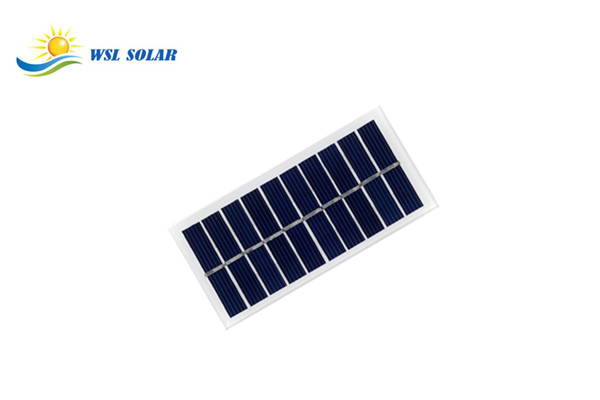
What are the Performance Parameters and Types of Solar Panels?

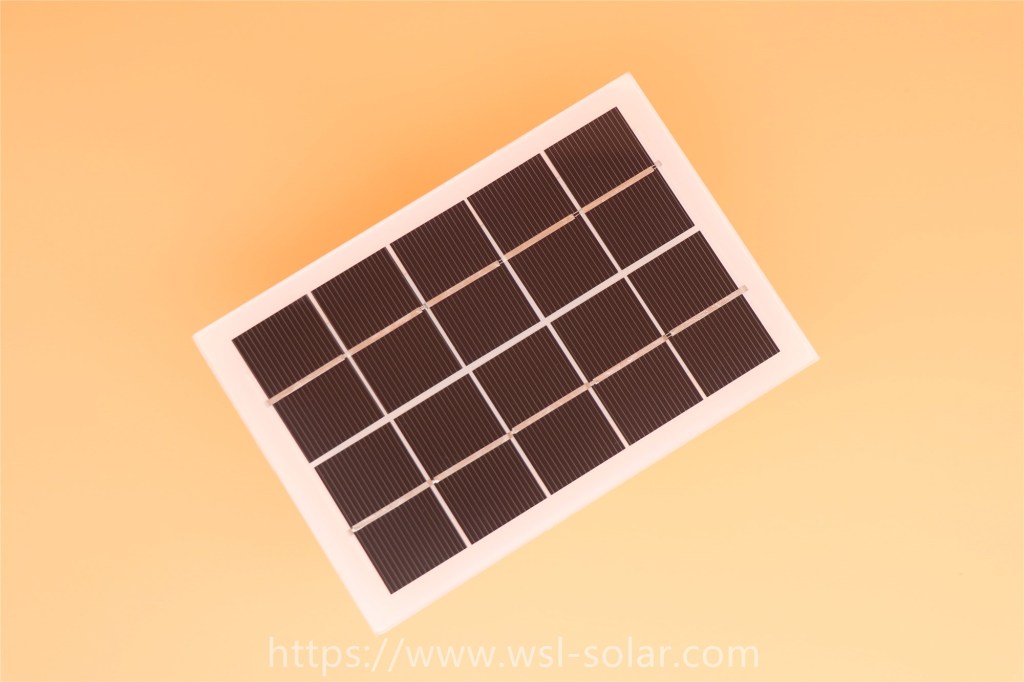
The function of solar panels is to convert the sun’s light energy into electrical energy, and then output direct current to store in the battery. This is the core part of the solar photovoltaic power generation system. The quality and cost of solar panels will directly determine the quality and cost of the entire system. Today we will talk in detail about the performance parameters and types of solar panels.
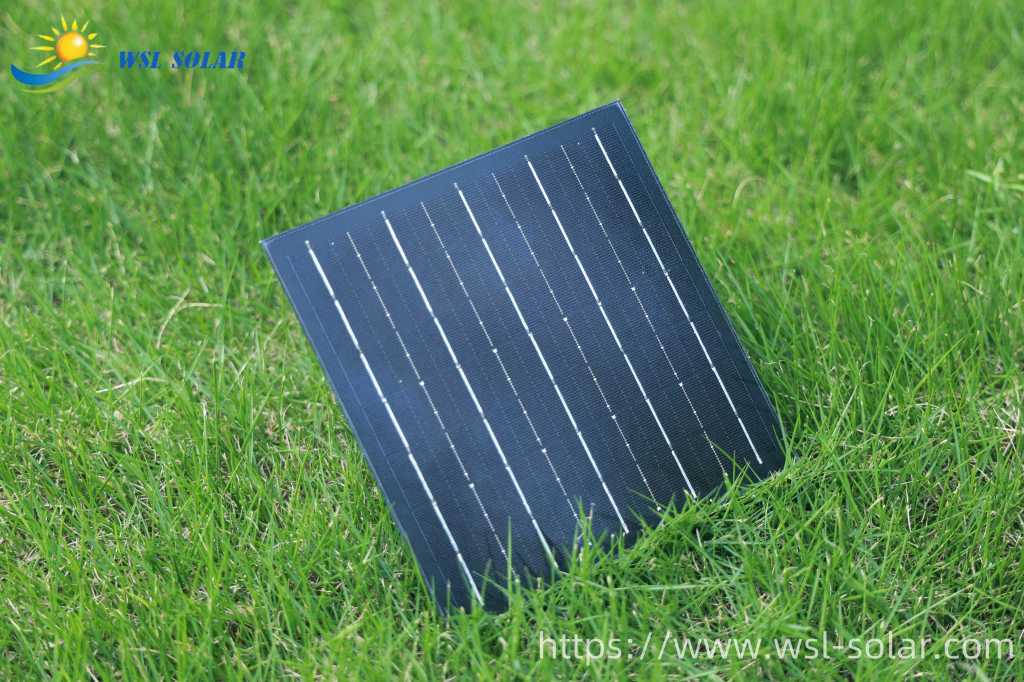
Solar panel parameters

The performance parameters of solar panels mainly include: short-circuit current, open-circuit voltage, peak current, peak voltage, peak power, fill factor and conversion efficiency.

1. Short-circuit current (isc): When the positive and negative poles of the solar cell are short-circuited and u=0, the current at this time is the short-circuit current of the cell. The unit of short-circuit current is ampere (a), and the short-circuit current changes with the change of light intensity.

2. Open-circuit voltage (uoc): When the positive and negative poles of the solar cell are not connected to the load and i=0, the voltage between the positive and negative poles of the solar cell is the open-circuit voltage. The unit of open-circuit voltage is volt (v). The open circuit voltage of a single solar cell does not change with the increase or decrease of the cell area, and is generally 0.5~0.7V.

3. Peak current (im): Peak current is also called maximum operating current or optimal operating current. Peak current refers to the operating current when the solar cell outputs maximum power, and the unit of peak current is ampere (a).

4. Peak voltage (um): Peak voltage is also called maximum operating voltage or optimal operating voltage. Peak voltage refers to the operating voltage when the solar cell outputs maximum power, and the unit of peak voltage is v. Peak voltage does not change with the increase or decrease of the cell area, and is generally 0.45~0.5V, with a typical value of 0.48V.

5. Peak power (pm): Peak power is also called maximum output power or optimal output power. Peak power refers to the maximum output power of the solar cell under normal working or test conditions, that is, the product of peak current and peak voltage: pm=im×um. The unit of peak power is w (watt). The peak power of solar cells depends on the solar irradiance, solar spectrum distribution and the working temperature of the cell. Therefore, the measurement of solar cells should be carried out under standard conditions. The measurement standard is the European Commission’s Standard 101, which has the following conditions: irradiance lkw/㎡, spectrum aml.5, and test temperature 25℃.

6. Fill factor (ff): Fill factor, also called curve factor, refers to the ratio of the maximum output power of a solar cell to the product of the open circuit voltage and the short circuit current. The calculation formula is ff=pm/(isc×uoc). Fill factor is an important parameter for evaluating the output characteristics of solar cells. The higher its value, the more rectangular the output characteristics of the solar cell are, and the higher the photoelectric conversion efficiency of the cell is.

The series and parallel resistances have a great influence on the fill factor. The smaller the series resistance of the solar cell, the larger the parallel resistance, and the larger the coefficient of the fill factor. The coefficient of the fill factor is generally between 0.5 and 0.8, and can also be expressed as a percentage.

7. Conversion efficiency (η): Conversion efficiency refers to the ratio of the maximum output power of a solar cell when it is illuminated to the solar energy power irradiated on the cell. That is: η=pm (peak efficiency of the cell)/a (area of ​​the cell) × pin (incident light power per unit area), where pin=lkw/㎡=100mw/cm2.

Types of solar panels

1. Monocrystalline silicon photovoltaic cells

The photoelectric conversion efficiency of monocrystalline silicon solar cells is about 23%, and the highest reaches 26%. This is the highest photoelectric conversion efficiency among all types of solar cells at present, but the production cost is very high, so it cannot be widely and generally used. Since monocrystalline silicon is generally encapsulated with tempered glass and waterproof resin, it is sturdy and durable, and its service life can generally reach 15 years, and up to 25 years.

2. Polycrystalline silicon photovoltaic cells

The production process of polycrystalline silicon solar cells is similar to that of monocrystalline silicon solar cells, but the photoelectric conversion efficiency of polycrystalline silicon solar cells is much lower, and its photoelectric conversion efficiency is about 20%. In terms of production cost, it is cheaper than monocrystalline silicon solar cells, the material is simple to manufacture, and it saves electricity consumption. The total production cost is low, so it has been widely developed. In addition, the service life of polycrystalline silicon solar cells is also shorter than that of monocrystalline silicon solar cells. In terms of performance-price ratio, monocrystalline silicon solar cells are slightly better.

3. Amorphous silicon photovoltaic cells

Amorphous silicon solar cells are a new type of thin-film solar cells that appeared in 1976. They are completely different from single-crystal silicon and polycrystalline silicon solar cells in terms of manufacturing method. The process is greatly simplified, silicon material consumption is very low, and power consumption is lower. Its main advantage is that it can generate electricity even under weak light conditions. However, the main problem with amorphous silicon solar cells is that the photoelectric conversion efficiency is low, about 10%, and it is not stable enough. As time goes by, its conversion efficiency decays.

4. Multi-element photovoltaic cells

Multi-element solar cells refer to solar cells that are not made of single-element semiconductor materials. There are many varieties of research in various countries, most of which have not yet been industrialized. The main ones are as follows:

1) Cadmium sulfide solar cells;
2) Gallium arsenide solar cells;
3) Copper indium selenide solar cells (new multi-element bandgap gradient Cu (In, Ga) Se2 thin film solar cells.

The above is an introduction to the performance parameters and types of solar panels. In addition, packaging is a key step in the production of solar cells. Without a good packaging process, no matter how good the battery is, it will not produce a good solar panel. The packaging of the battery can not only ensure the life of the battery, but also enhance the battery’s resistance, so the packaging quality of the solar panel is very important.

WSL Solar has been a quality and professional manufacturer of custom solar panels, solar mini panels, IoT solar panels and solar solution provider in China since 2006.
Custom Solar Panels – WSL Solar

WSL Solar has been a professional manufacturer of high quality custom solar panels and solar solution provider in China since 2006. With our in-house R&D team and management team for over 17 years’ experience in solar industry, we design and develop a tailor-made solar panel in a variaty of sizes, shapes and outputs to meet our client’s specific requirement, and provide solution support start from initial product development stage.

https://www.wsl-solar.com

Manufacturer of Custom Solar Panels – WSL Solar

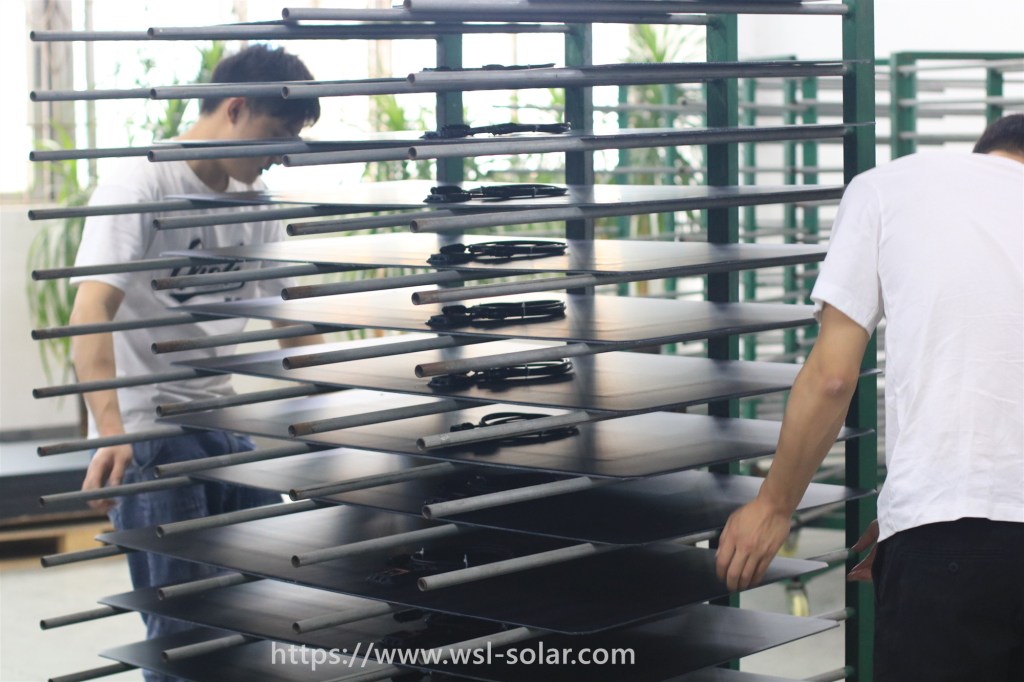
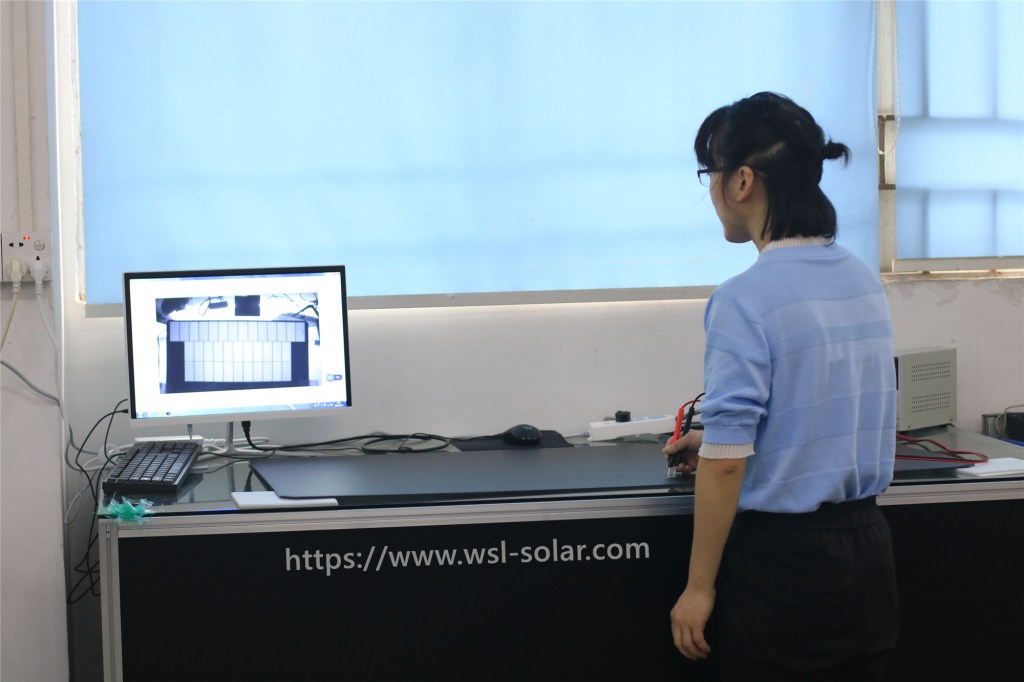
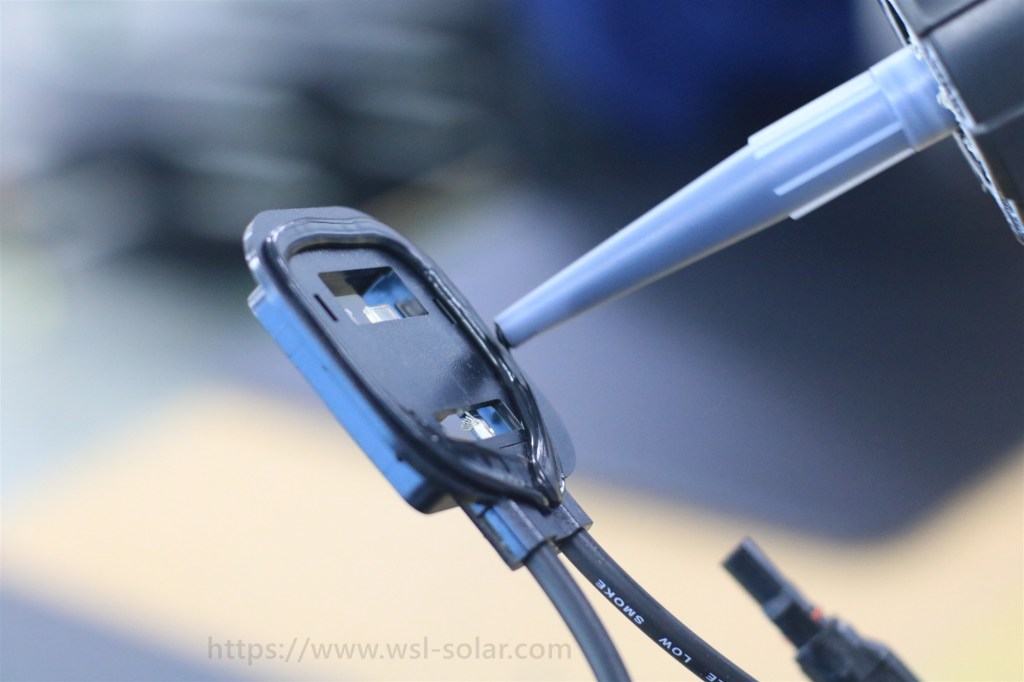
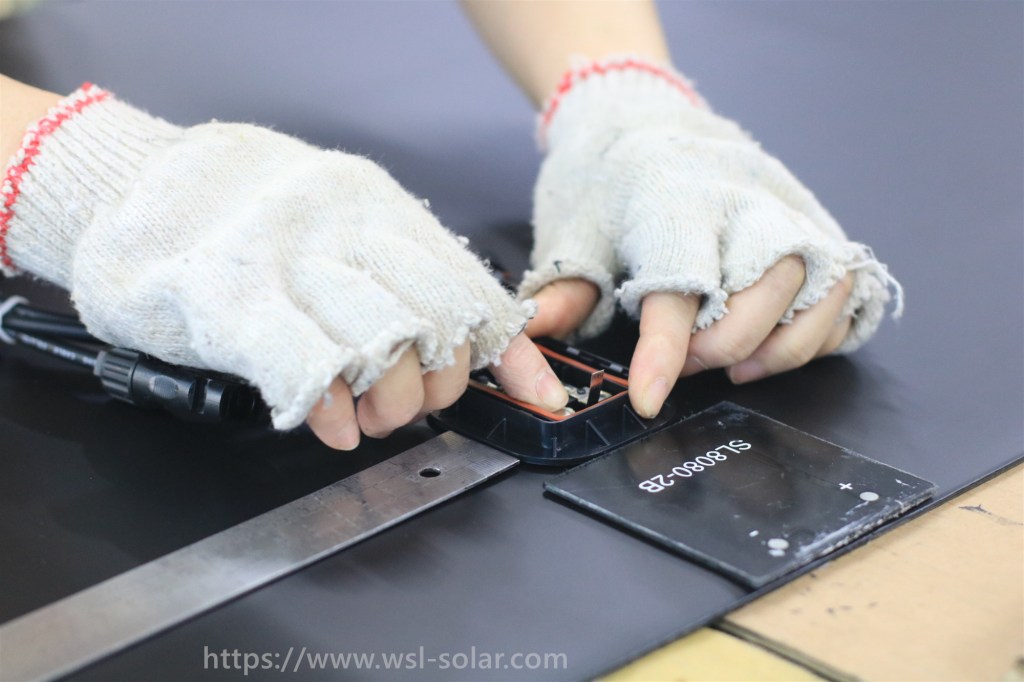
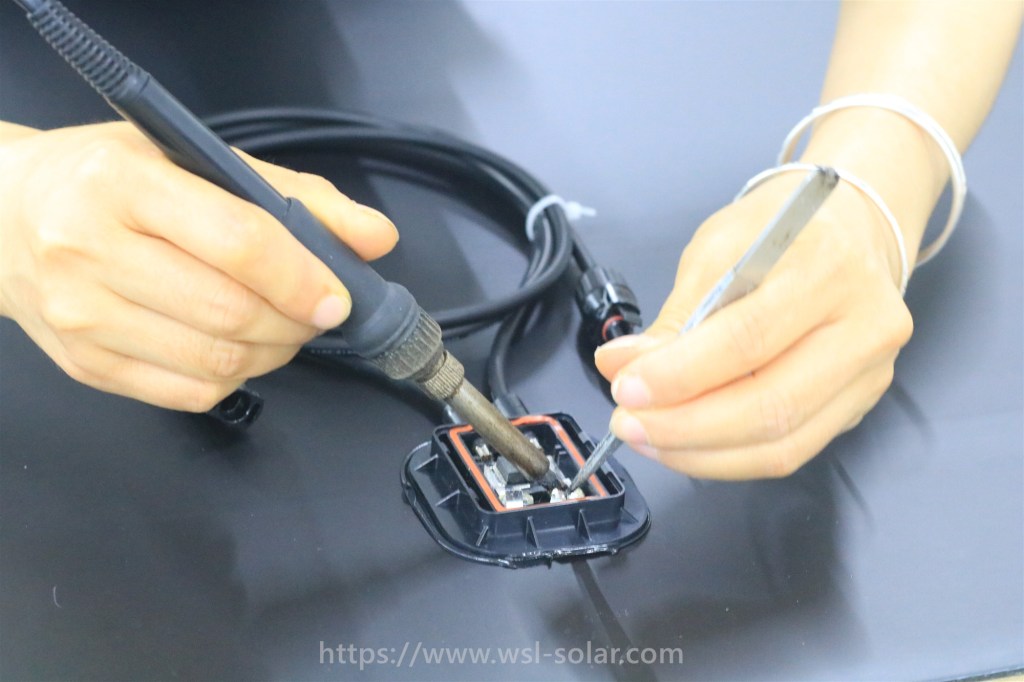
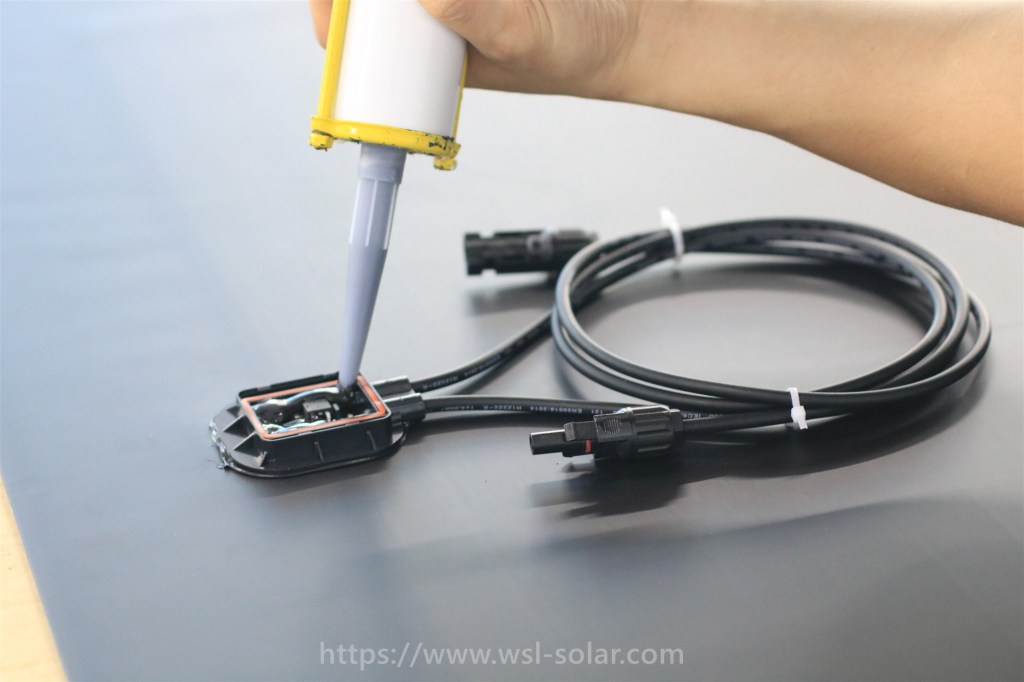
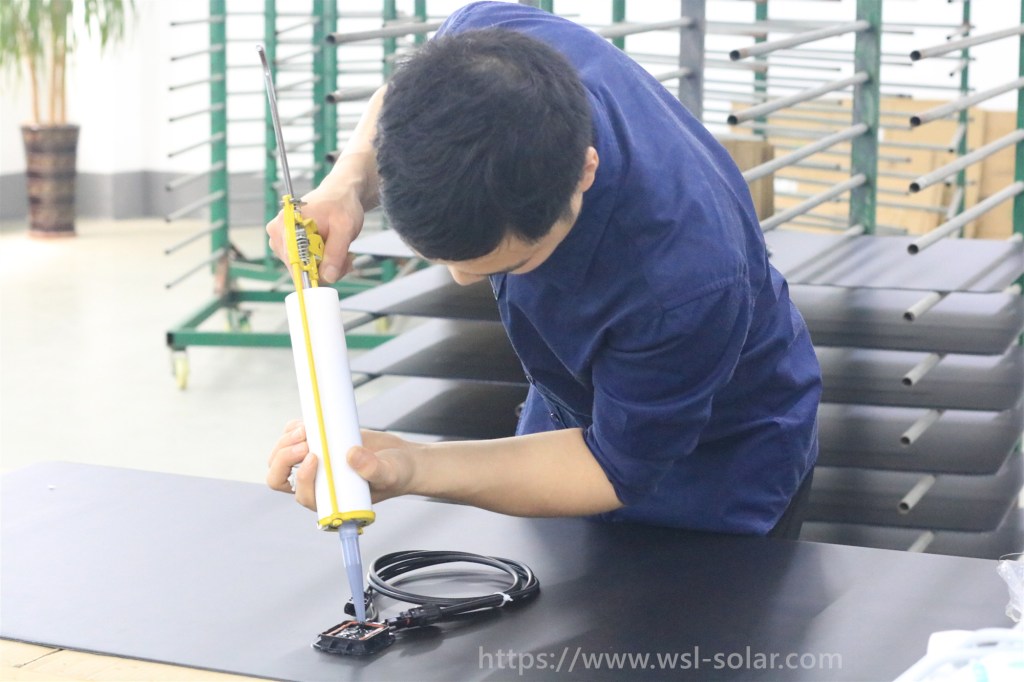
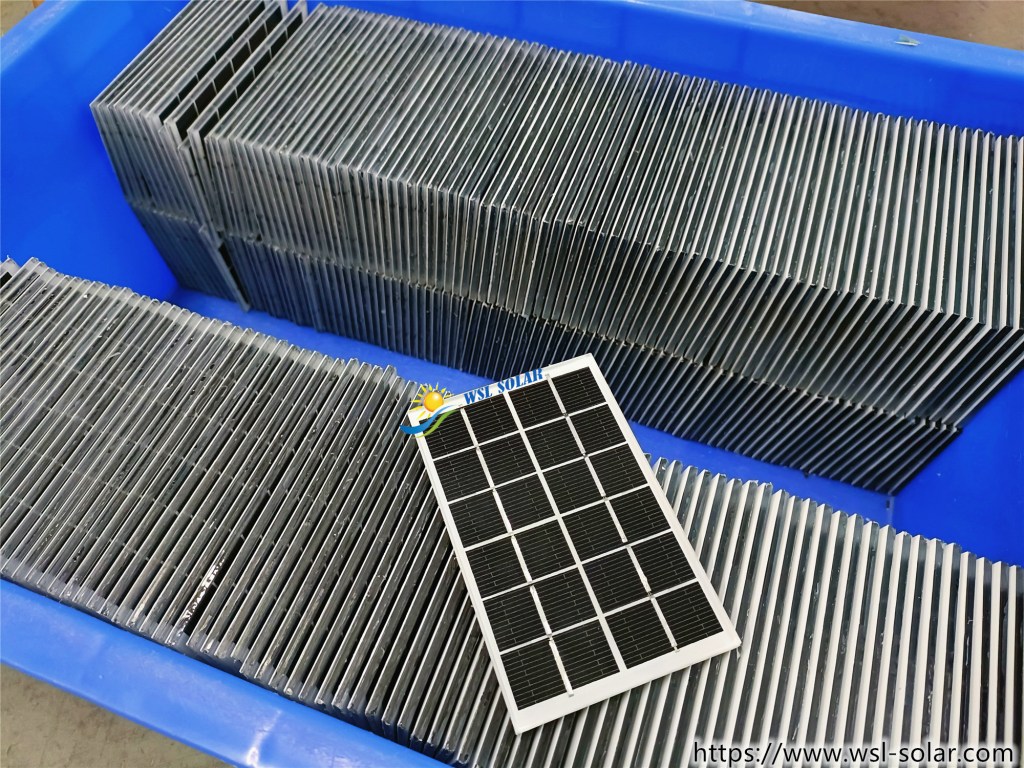
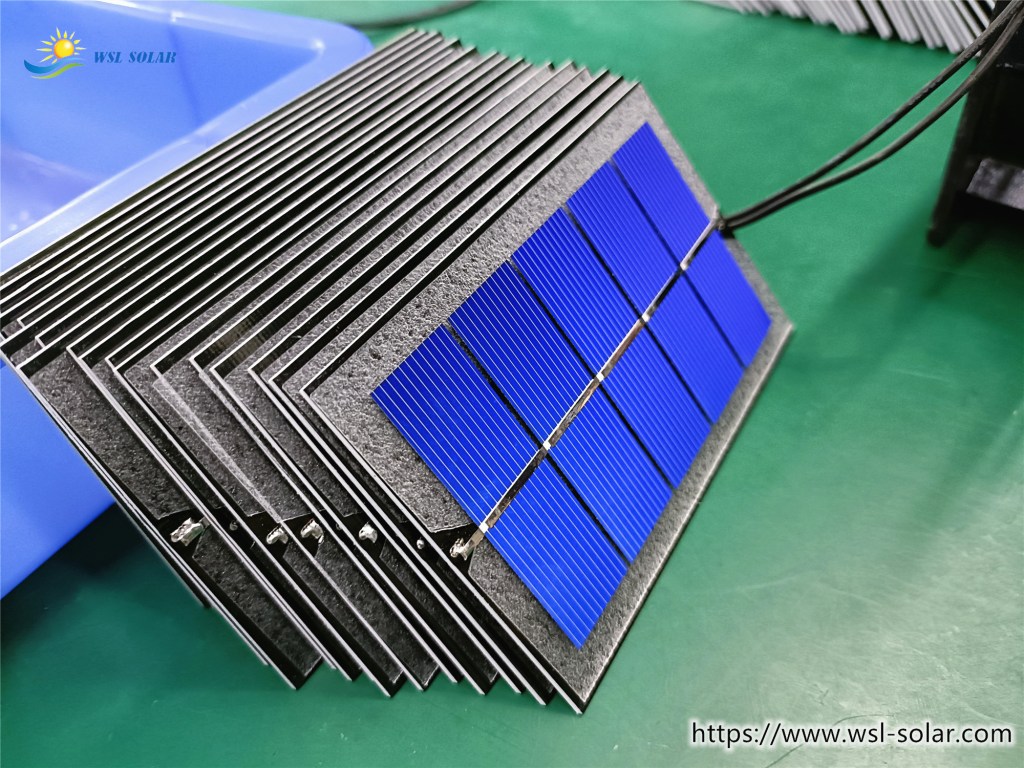
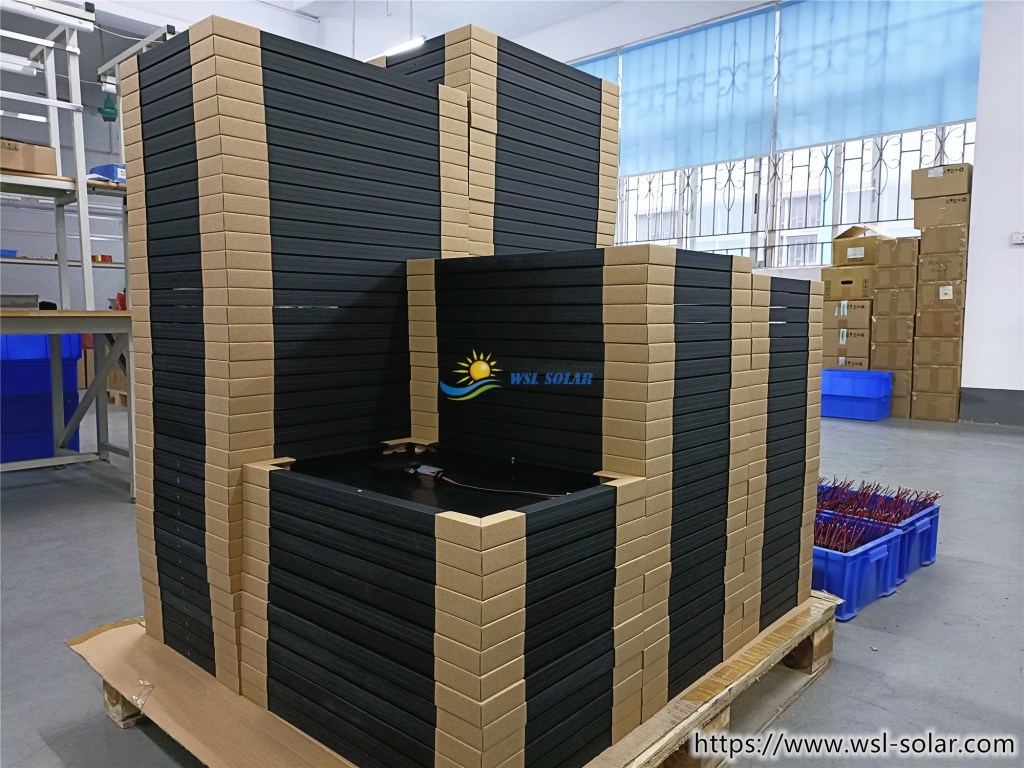
Many thanks to our employees for their hard work. Pay attention to every detail in the production process, such as wire welding, silicone molding, EL testing, measuring dimensions, etc. It is because of their carefulness and hard work that we can produce high quality solar panels.

WSL Solar has been a quality and professional manufacturer of custom solar panels, solar mini panels, IoT solar panels and solar solution provider in China since 2006.
https://www.wsl-solar.com

Custom Solar Panel Construction

The construction of custom solar panels varies slightly depending on the lamination method and the materials used. The following is a brief introduction to the construction of tempered glass solar panels and ETFE solar panels.

1. Solar Panel Construction of Tempered Glass Solar Panels
Tempered Glass / EVA / Solar Cell / EVA / Backsheet

2. Solar Panel Construction of ETFE Solar Panels
ETFE film / EVA / Solar Cell / PCB

Tempered glass:
The role of tempered glass is to protect the solar cells, the selected photovoltaic glass must have high light transmittance (generally more than 91%), and requires ultra-white tempering treatment. The thickness of photovoltaic glass is either 3.2mm or 2.0mm. The most commonly used is the 3.2mm thick glass.

EVA:
EVA is an important encapsulant material, which is used to bond tempered glass and solar cells. It is usually cut into a thin sheet that can be inserted at the front and rear of the solar cells. The quality of transparent EVA material directly affects the lifespan of the solar panel. Should EVA be exposed to the air, it will easily age and turn yellow, thus affecting the light transmittance of the solar panel, and power generation quality.
The thickness of EVA ranges from 3mm to 4.5mm; among them, 4mm and 4.5mm are used the most.

Solar Cell:
Solar cells convert sunlight into electricity via the photovoltaic effect. They are the core parts of solar panels. Generally speaking, the power of a solar panel is proportional to the area of the solar cell.

Backsheet
The function of the backsheet is to seal, insulate and waterproof. Therefore, the selected backsheet materials such as TPT and TPE must be resistant to aging.
The backsheet is available in white and black. The white backsheet is commonly used, but some clients choose to use the black backsheet in order to maintain the color consistency with the application product and to be aesthetically pleasing. 

ETFE Film:
ETFE film is a film used to protect solar cells inside solar panels. Its thickness is usually less than 0.2mm, making it thin and light. In addition, it has the characteristics of resistance to temperature changes, high light transmittance of up to 95%, high self-cleaning, corrosion resistance, and long service life.

IBC Solar Cell
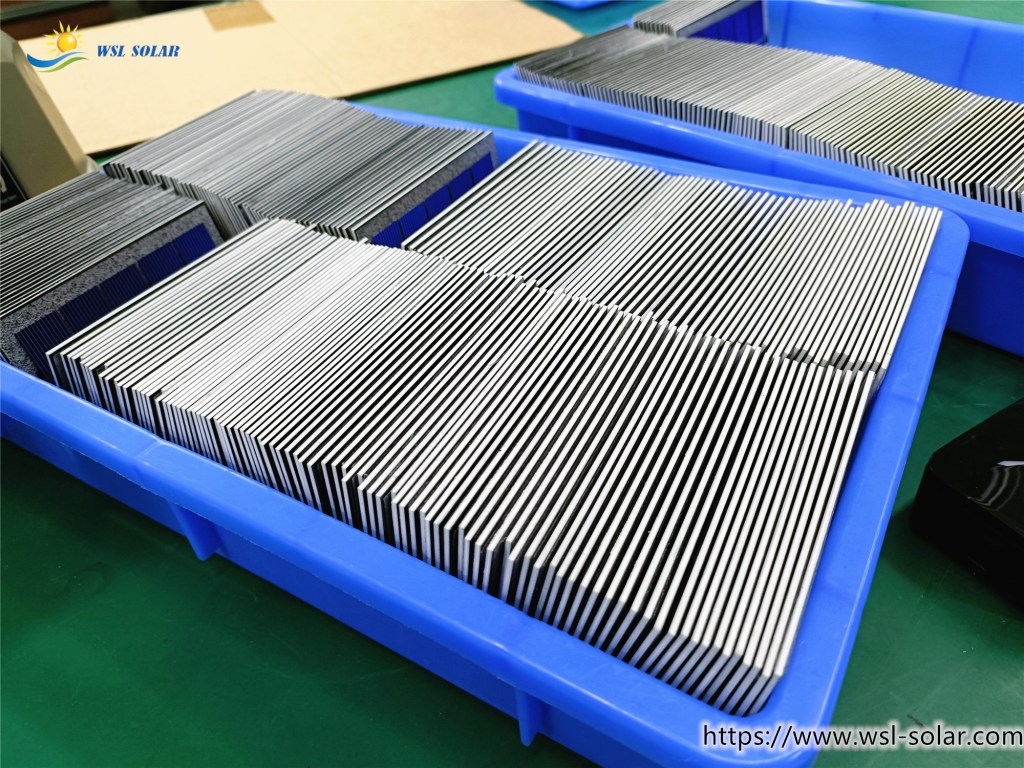
ETFE solar panels adopt IBC solar cells (interdigitated back contact) with efficiency up to 24%, to achieve a higher power output in a limited area. Traditional solar cells achieve energy conversion by having front contacts in the cell, while IBC solar cells have the contacts on the rear side, instead of placing them in the front of the cell. This allows them to achieve higher efficiency due to reduced shading on the front of the cell, and also increases the aesthetics since no contacts are visible on the front. IBC solar cell technology also improves the temperature coefficient, which means an IBC solar panel can deliver a better performance in hot climate installations. It also has excellent performance under low light conditions.

WSL Solar has been a quality and professional manufacturer of custom solar panels, solar mini panels, IoT solar panels and solar solution provider in China since 2006.
https://www.wsl-solar.com

Source of origin: https://www.wsl-solar.com/Product_News/2022/1212/Custom-Solar-Panel-Construction.html

High Quality Custom Solar Panel Manufacturer – WSL Solar

Quality is of paramount importance to us. To deliver outstanding quality solar panels while meeting highly customized demands for solar applications is the most import thing to us. From the selection of raw materials, through the process of manufacturing, to packaging and transportation; quality control is strictly implemented.

At WSL Solar facility, in-process inspection is an overall effort performed at each stage of solar panel manufacturing. We will conduct 100% visual inspection and performance tests of all custom solar panels before packaging and shipping.

https://www.wsl-solar.com

custom solar panel - WSL Solar

customized solar panel - WSL Solar

custom shape solar panel - WSL Solar

custom size solar panel - WSL Solar

5V Solar Panel

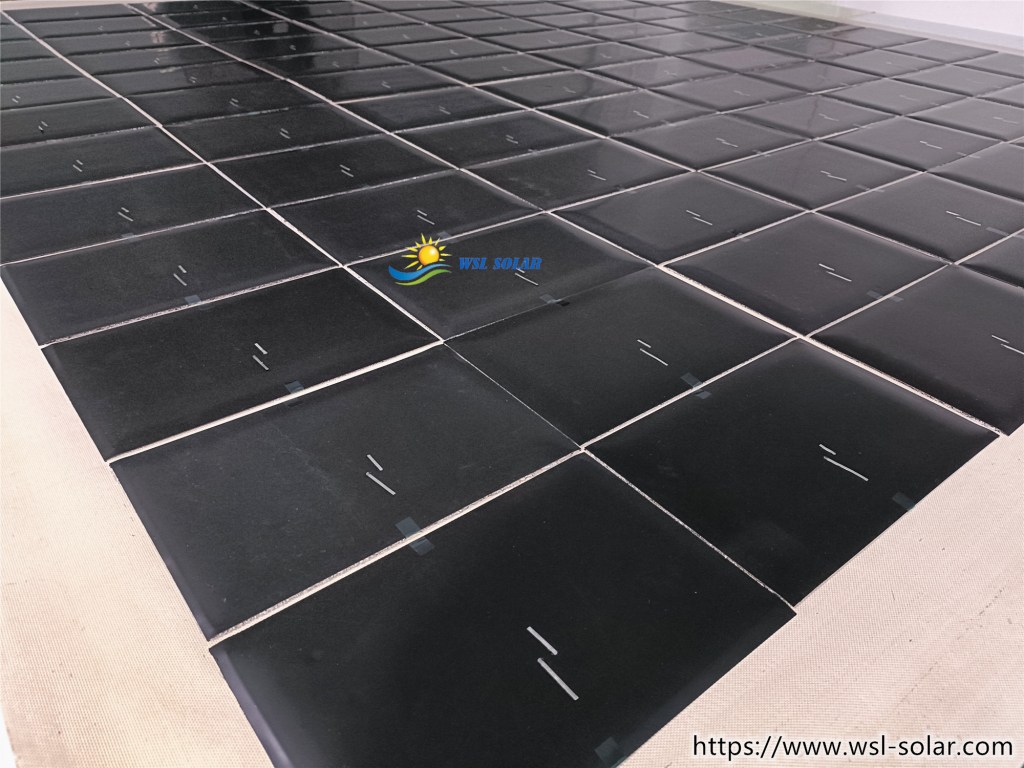
WSL Solar’s 5V solar panel is built with the latest most efficient crystalline silicon solar cells or super high efficiency Sunpower solar cells. These 5v solar panels are great for charging your 3.2V DC batteries and ideal for use in off grid applications such as GPS tracking, educational kits, small electronic devices, LED lighting etc.

5V Solar Panel


Features:
– With cutting-edge high efficiency solar cells
– Positive power tolerance
– Withstanding challenging environmental conditions
– Waterproof, scratch resistant & UV resistant
– Excellent performance under low light environments

Specification

Item No.DimensionPmaxVmpImpCell TypeEncapsulation
WSL-C001D=109×4.5mm1W5V200mAMono Solar CellTempered glass
WSL-C003100x50x4.5mm0.5W5V100mAMono Solar CellTempered glass
WSL-C004100x80x2.2mm1W5V200mAPoly Solar CellPET Film
WSL-C006176x86x4.5mm2.5W5V500mAMono Solar CellTempered glass
WSL-C01478x150x4.5mm1.6W5V320mAMono Solar CellTempered glass
WSL-S002D=43×1.8mm0.2W5V40mASunpower Solar CellPET Film
WSL-S00595x69x2mm1W5V200mASunpower Solar CellPET Film
WSL-S00780x80x2mm1W5.5V181mASunpower Solar CellETFE Film
WSL-S00965x65x2mm0.6W5V120mASunpower Solar CellETFE Film
WSL-S010120x70x2mm1.6W5.5V290mASunpower Solar CellETFE Film
WSL-S01230x50x2mm0.2W5.5V38mASunpower Solar CellPET Film
WSL-XC001120x120x4.5mm1.5W5V300mAMono Solar CellTempered glass
WSL-XC002220*190×4.5mm5W5V1AMono Solar CellTempered glass
WSL-XC003216*132*4.5mm3W5V600mAPoly Solar CellTempered glass
WSL-XC004240*160*4.5mm4W5V800mAMono Solar CellTempered glass
5V Solar Panel

Click here to watch the video of this type of custom solar panels. View More Custom Solar Panels 5V Solar Panels   |  6V Solar Panels   |  9V Solar Panels

WSL Solar has been a quality and professional manufacturer of custom solar panels and solar solution provider in China since 2006. 
Source of origin: https://www.wsl-solar.com/5V-solarpanels.html

How to Choose a Small Solar Panel That is More Suitable for Your System?

Stand-alone solar panels are widely used in various industries such as remote telemetry, security, monitoring, fence charger, gate opener, intelligent traffic, senor, IoT and aviation obstruction lights, especially with the improvement of solar cell conversion efficiency and the decrease in the cost per W of the solar panel will inevitably further expand the application range of custom shaped solar panels. How should we choose the solar panel suitable for our system?

small solar panels

Small Solar Panels

1. If the product needs to be placed in harsh environments on the sea, desert, wetland, etc. for a long time, we recommend using glass solar panels. Because glass has the advantages of high light transmittance, hard texture and stable physical and chemical properties, it can well protect solar cells from being oxidized and crushed. However, the disadvantage of glass solar panels is that the unit weight is heavier than other types of solar panels of the same power and the glass is fragile. It is not suitable for products that need to be carried and transported for a long time, but is suitable for stationary systems. At the same time, we recommend that the solar panels be sealed with glue or silica gel, so that the life of the solar panels can be greatly extended.

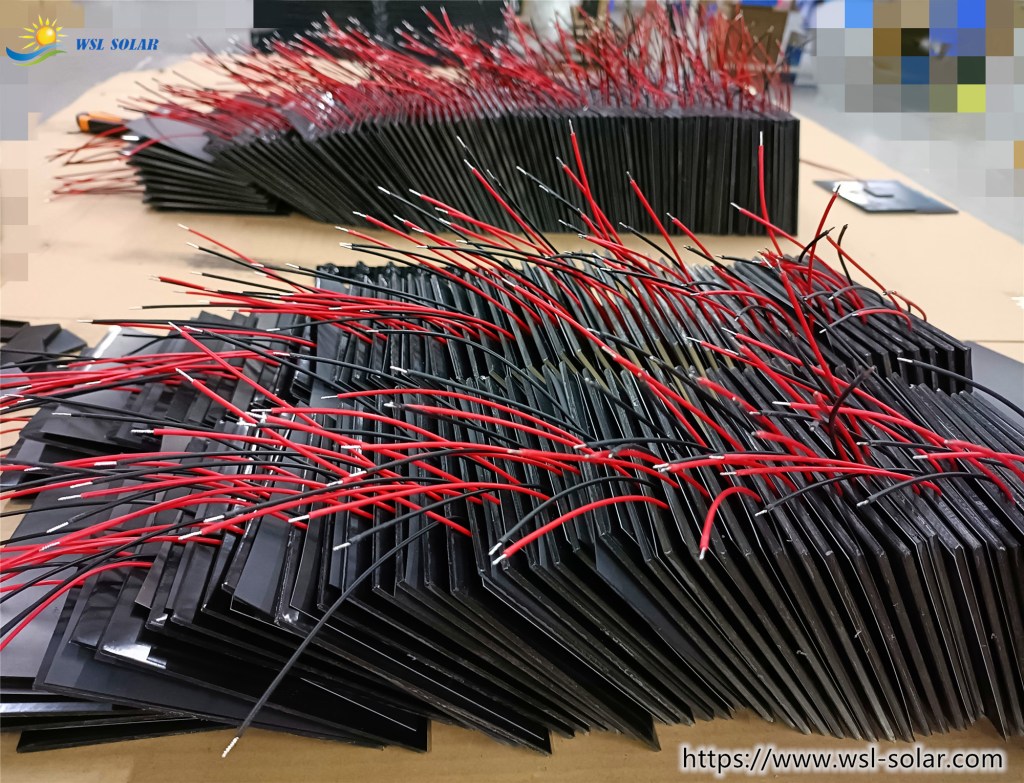
2. If solar panels are used in consumer electronics, such as outdoor camping, solar chargers, GPS trackers, etc., we recommend using non-glass laminated solar panels, such as rigid solar panel, semi-flexible solar and fully flexible solar panels and foldable solar panels. Currently popular packaging materials are PET film and ETFE film. PET film is made of plastic. If this material is placed outdoors for a long time, its surface will become brittle and atomized. If a layer of coating is added to the PET surface, this coating will fall off after about 0.5 years, making the surface of the solar panel very unsightly and greatly reducing the power output of the solar panel. If the surface of the solar panel is ETFE film, its lifespan will be longer. We generally think that its lifespan may last 3-5 years. However, such non-glass-encapsulated solar panels must avoid impact on the surface and squeeze around them to avoid damage to the solar cells inside and affect the power output of the solar panels.

Sort by low-light performance of solar panels:
Thin-film Solar Panel> Mono PERC solar panels> Traditional Monocrystalline Solar Panels> Polycrystalline Solar Panel.
So solar panels are used in indoor environments, we recommend thin film solar panels. If it is used outdoors, but the light is not very good, you can consider PERC Mono solar panels and traditional mono solar panels. If it is used in a well-lit outdoor environment, you can choose PERC mono, traditional mono and poly solar panels.

Sort by solar panel conversion efficiency:
Mono PERC solar panels> Traditional Monocrystalline Solar Panels> Polycrystalline Solar Panel> Thin-film Solar Panel.
At present, the highest conversion efficiency and large-scale commercial use are Mono PERC solar panels, and the lowest efficiency is thin-film solar panels.
If it is used for indoor wireless sensors, calculators, etc., you can choose thin-film solar panels. If it is used for outdoor GPS TRACKER, IOT, traffic lighting, etc., you can use PERC or traditional monocrystalline solar panels. If it is used for signal tower, small off-grid power station, you can choose Mono PERC solar panels or polycrystalline solar panels.

With the further improvement of technology, when thin film solar panels, traditional monocrystalline solar panels and polycrystalline solar panels encounter bottlenecks, Mono PERC solar panels will become the choice of most people. As a manufacturer of small solar panels, WSL Solar will provide customers with very constructive suggestions during the product development phase to avoid saving development time and money.

Posted by Carrie Wong | WSL Solar Co., Ltd.
WSL Solar has been a quality and professional manufacturer of custom shaped solar panels and solar solution provider in China since 2006.
https://www.wsl-solar.com

Source of origin: https://www.wsl-solar.com/Product_News/2022/0105/how-to-choose-a-small-solar-panel.html