Solar panels are composed of several materials, each playing a crucial role in the panel’s functionality, durability, and efficiency. Here are the primary materials used in the construction of solar panels:
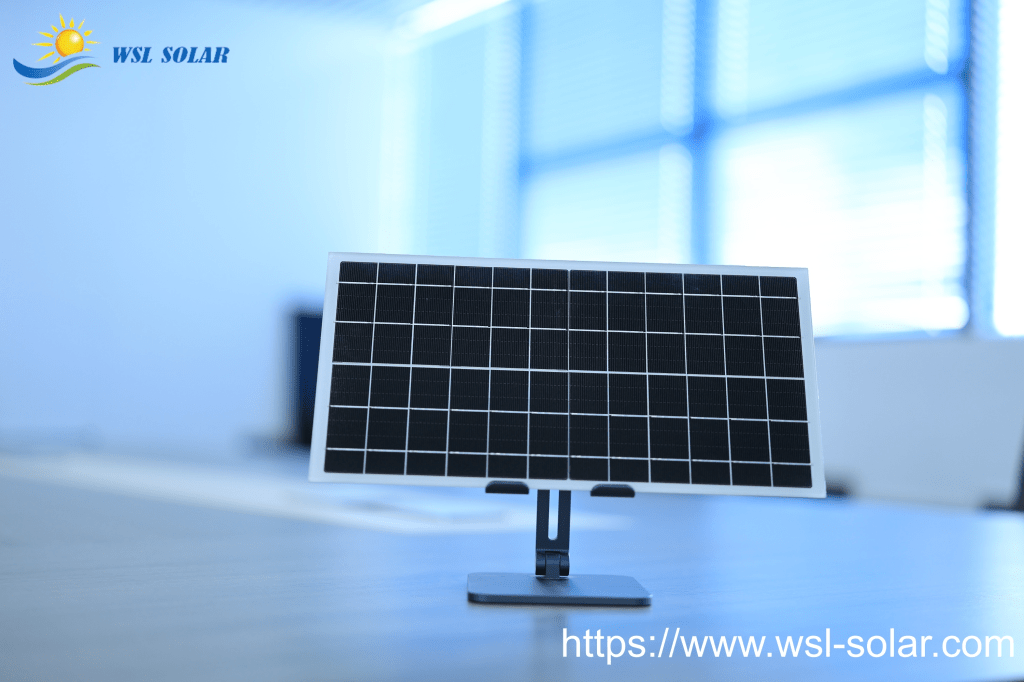
1. Photovoltaic (PV) Cells:
– Silicon: The most common material for PV cells. It can be monocrystalline, polycrystalline, or amorphous.
– Cadmium Telluride (CdTe): Used in thin-film solar panels.
– Copper Indium Gallium Selenide (CIGS): Another material used in thin-film solar panels.
– Perovskite: An emerging material with high potential efficiency, still under research and development.
2. Encapsulation Material:
– Ethylene-Vinyl Acetate (EVA): A transparent polymer that encapsulates the PV cells, protecting them from moisture and mechanical damage.
3. Backsheet:
– Polymer Films: Typically made from materials like Tedlar (PVF), polyester, or polyvinyl fluoride (PVDF). The backsheet provides electrical insulation and protects the back of the panel from environmental factors.
4. Frame:
– Aluminum: The most common material for the frame due to its lightweight, durability, and resistance to corrosion. The frame provides structural support and facilitates mounting.
5. Glass Cover:
– Tempered Glass: High-strength, low-iron tempered glass is used as the front cover. It protects the PV cells from physical damage and environmental factors while allowing maximum light transmission.
6. Junction Box:
– Plastic and Metal: The junction box is typically made from durable plastics and contains metal connectors. It houses the electrical connections and provides a safe interface for wiring.
7. Interconnectors:
– Copper or Silver: These materials are used for the thin strips that connect individual solar cells within the panel, facilitating the flow of electricity.
8. Adhesives and Sealants:
– Silicone and Other Polymers: Used to bond different layers of the solar panel together and to seal edges, ensuring durability and protection against moisture ingress.
9. Anti-Reflective Coating:
– Silicon Nitride or Titanium Dioxide: Applied to the surface of the glass to reduce reflection and increase light absorption by the PV cells.
Summary of Material Functions:
– PV Cells: Convert sunlight into electricity.
– EVA Encapsulation: Protects cells and ensures durability.
– Backsheet: Provides electrical insulation and environmental protection.
– Frame: Offers structural support and facilitates installation.
– Glass Cover: Protects the panel and maximizes light transmission.
– Junction Box: Houses electrical connections.
– Interconnectors: Facilitate electrical flow between cells.
– Adhesives and Sealants: Ensure panel integrity and protection.
– Anti-Reflective Coating: Enhances light absorption.
These materials work together to ensure that solar panels are efficient, durable, and capable of withstanding various environmental conditions over their lifespan.
Posted by Carrie Wong / WSL Solar
WSL Solar has been a quality and professional manufacturer of custom solar panels, solar mini panels, IoT solar panels and solar solution provider in China since 2006.
https://www.wsl-solar.com

 Custom Solar Panel