What is the Assembly Process of a Crystalline Silicon Solar Panel?

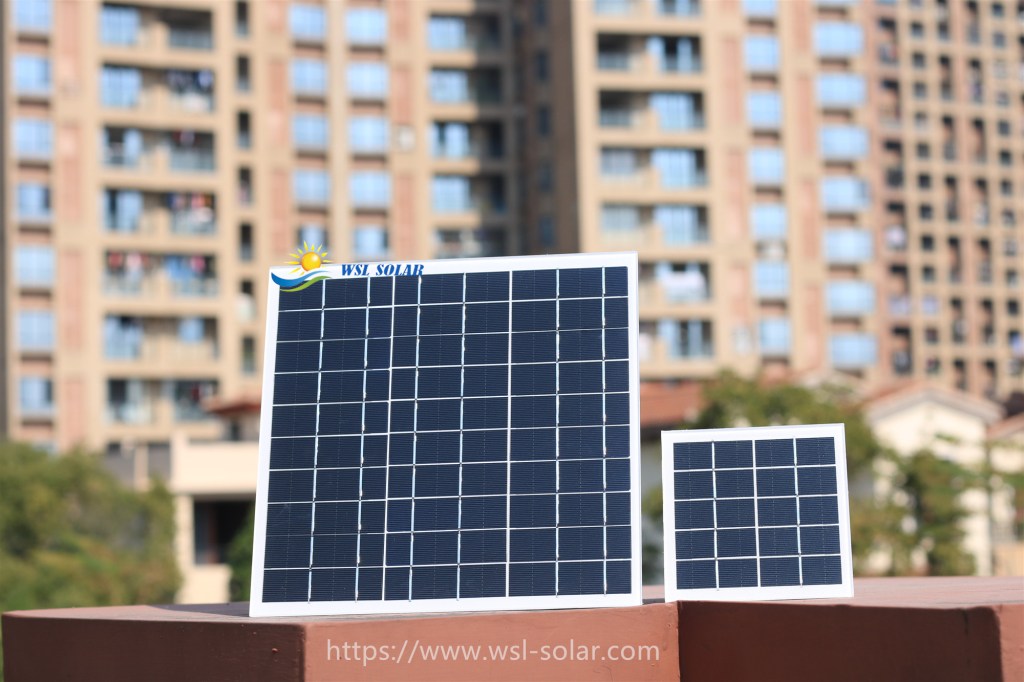
The assembly process of a crystalline silicon solar panel involves several precise steps to transform individual solar cells into a fully functional solar panel. Here’s a detailed breakdown of the process:
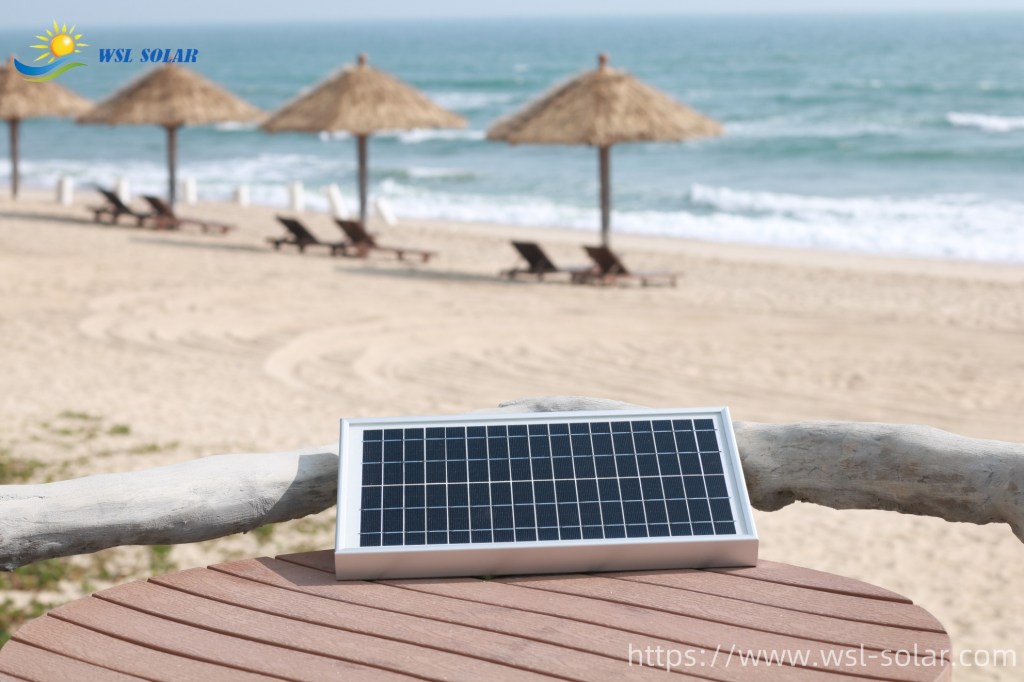
1. Cell Testing and Sorting
   – Each solar cell is tested for electrical performance (efficiency, current, and voltage).
   – Cells are sorted into groups with similar electrical characteristics to ensure uniformity in the final panel.

2. Stringing and Tabbing
   – Tabbing: Thin metal strips (usually made of copper coated with solder, called tabbing ribbons) are soldered onto the front and back contacts of each solar cell.
   – Stringing: The tabbed cells are connected in series by soldering the tabbing ribbons of one cell to the back of the next cell. This forms a “string” of cells.

3. Layering the Solar Panel
   – Glass Layer: A sheet of tempered glass (with high transparency and durability) is placed on the bottom. This will be the front side of the panel, facing the sun.
   – Encapsulant Layer: A layer of ethylene-vinyl acetate (EVA) is placed on top of the glass. EVA is a transparent, adhesive material that protects the cells and ensures proper light transmission.
   – Cell Strings: The interconnected strings of solar cells are carefully placed on top of the EVA layer.
   – Backsheet: Another layer of EVA is added, followed by a backsheet (usually made of a polymer like Tedlar). The backsheet provides electrical insulation and protects the panel from environmental factors.

4. Lamination
   – The layered assembly (glass, EVA, cell strings, EVA, backsheet) is placed in a laminator.
   – The laminator applies heat (around 140-150°C) and vacuum pressure to bond the layers together, ensuring there are no air gaps or moisture trapped inside.
   – This process takes about 10-15 minutes and creates a durable, weatherproof panel.

5. Framing
   – The laminated panel is framed with aluminum for structural support and durability.
   – The frame protects the edges of the panel and makes it easier to mount on rooftops or other structures.
   – Silicone sealant is applied to the edges to ensure a watertight seal.

6. Junction Box Installation
   – A junction box is attached to the back of the panel.
   – The junction box contains diodes that allow current to flow in one direction and prevent reverse current flow (which can reduce efficiency).
   – The tabbing ribbons from the solar cells are connected to the junction box, which provides the electrical output terminals.

7. Cleaning and Inspection
   – The panel is cleaned to remove any dust, fingerprints, or residues.
   – It undergoes a visual inspection to check for defects, such as cracks, misaligned cells, or poor soldering.

8. Electrical Testing
   – The panel is tested for electrical performance under standard test conditions (STC):
     – Open-circuit voltage (Voc): Voltage when no load is connected.
     – Short-circuit current (Isc): Current when the terminals are shorted.
     – Maximum power (Pmax): The panel’s peak power output.
   – These tests ensure the panel meets its specified power rating.

9. Quality Assurance and Certification
   – The panel undergoes additional quality checks, including:
     – Durability testing: Exposure to extreme temperatures, humidity, and mechanical stress.
     – Safety certifications: Compliance with international standards (e.g., UL, IEC, TUV).
   – Panels that pass these tests are certified for use.

10. Packaging and Shipping
   – The finished solar panels are packed in protective materials to prevent damage during transportation.
   – They are then shipped to distributors, installers, or end-users.

Summary of Key Components in a Solar Panel:
1. Solar Cells: The core component that converts sunlight into electricity.
2. Tempered Glass: Protects the cells and allows sunlight to pass through.
3. EVA Encapsulant: Bonds the layers and protects the cells.
4. Backsheet: Provides insulation and environmental protection.
5. Aluminum Frame: Adds structural strength and ease of mounting.
6. Junction Box: Manages electrical connections and output.

This assembly process ensures that crystalline silicon solar panels are efficient, durable, and ready to generate electricity for 25-30 years or more.

Posted by Carrie Wong / WSL Solar

WSL Solar has been a quality and professional manufacturer of custom solar panels, solar mini panels, IoT solar panels and solar solution provider in China since 2006.
https://www.wsl-solar.com

What is an Amorphous Solar Panel?

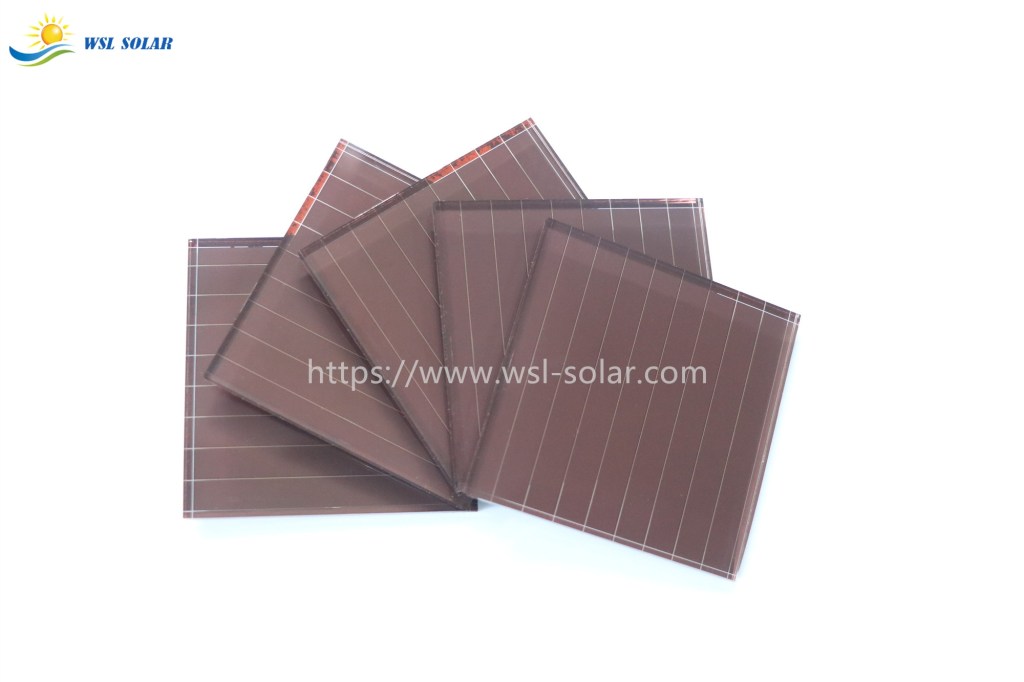
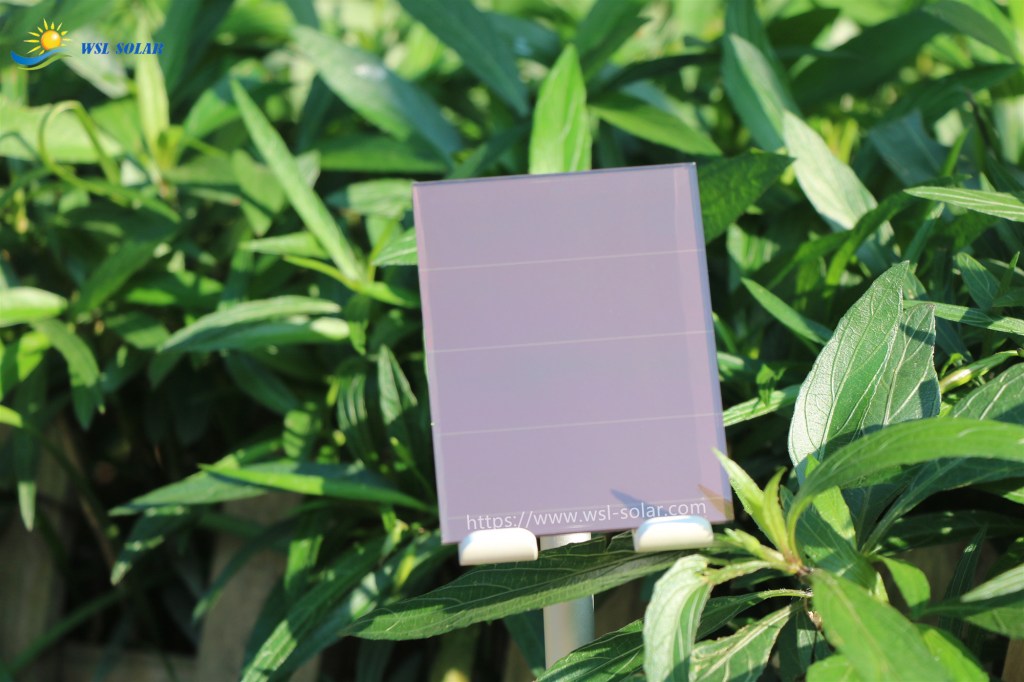
An amorphous solar panel is a type of thin-film solar panel made from amorphous silicon (a-Si), a non-crystalline form of silicon. Unlike traditional crystalline silicon solar panels (monocrystalline or polycrystalline), which have a structured, lattice-like arrangement of silicon atoms, amorphous silicon lacks this ordered structure. This gives it unique properties and applications.

Key Features of Amorphous Solar Panels:

1. Flexibility and Thinness:

   – Amorphous solar panels are extremely thin and lightweight, making them flexible and adaptable to various surfaces.

   – They can be applied to curved or irregular surfaces, unlike rigid crystalline panels.

2. Manufacturing Process:

   – Amorphous silicon is deposited in thin layers onto substrates like glass, plastic, or metal using a process called chemical vapor deposition (CVD).

   – This process is less energy-intensive and cheaper compared to producing crystalline silicon.

3. Efficiency:

   – Amorphous solar panels typically have lower efficiency (around 6-10%) compared to crystalline panels (15-25%).

   – However, they perform better in low-light conditions (e.g., cloudy days or indirect sunlight) and high temperatures.

4. Cost:

   – They are generally cheaper to produce due to the lower amount of silicon required and simpler manufacturing processes.

5. Durability:

   – Amorphous panels are less prone to cracking or damage because of their flexible nature.

   – However, they may degrade faster over time compared to crystalline panels (a phenomenon called the **Staebler-Wronski effect**).

6. Applications:

   – Used in small-scale applications like solar-powered calculators, watches, and portable chargers.

   – Ideal for building-integrated photovoltaics (BIPV), such as solar windows or roofing materials.

   – Suitable for large-scale installations where lightweight and flexible panels are needed.

Advantages:

– Better performance in low-light and high-temperature conditions.

– Lightweight and flexible, enabling unique applications.

– Lower production costs.

Disadvantages:

– Lower efficiency compared to crystalline panels.

– Shorter lifespan and potential degradation over time.

– Requires more space to generate the same amount of power as crystalline panels.

In summary, amorphous solar panels are a versatile and cost-effective option for specific applications, particularly where flexibility, lightweight design, or performance in challenging conditions is needed. However, they are less efficient and durable than traditional crystalline silicon panels.

Posted by Carrie Wong / WSL Solar

WSL Solar has been a quality and professional manufacturer of custom solar panels, solar mini panels, IoT solar panels and solar solution provider in China since 2006.
https://www.wsl-solar.com

What is the Difference Between Crystalline Silicon Solar Panel and Amorphous Silicon Solar Panel?

Crystalline silicon solar panels and amorphous silicon solar panels are two distinct types of photovoltaic technologies, differing in their structure, efficiency, cost, and applications.

Crystalline Silicon Solar Panel

Amorphous Silicon Solar Panel

Here’s a breakdown of the key differences:

1. Structure and Composition

– Crystalline Silicon Solar Panels:

  – Made from silicon atoms arranged in a highly ordered, crystalline structure.

  – Two main types:

    – Monocrystalline Silicon**: Made from a single crystal structure, giving it a uniform appearance and high efficiency.

    – Polycrystalline Silicon**: Made from multiple silicon crystals, resulting in a less uniform appearance and slightly lower efficiency.

– Amorphous Silicon Solar Panels:

  – Made from non-crystalline (amorphous) silicon, where atoms are arranged in a disordered, random structure.

  – Typically deposited as a thin film on substrates like glass, metal, or plastic.

2. Efficiency

– Crystalline Silicon:

  – Higher efficiency due to the ordered structure, which allows for better electron movement.

  – Monocrystalline panels: ~20-23% efficiency.

  – Polycrystalline panels: ~18-20% efficiency.

– Amorphous Silicon:

  – Lower efficiency due to the disordered structure, which hinders electron movement.

  – Typically ~6-10% efficiency.

3. Cost

– Crystalline Silicon:

  – Generally more expensive to produce due to the energy-intensive manufacturing process and high-purity silicon requirements.

– Amorphous Silicon:

  – Cheaper to produce because it uses less silicon and can be manufactured using simpler processes like thin-film deposition.

4. Flexibility and Applications

– Crystalline Silicon:

  – Rigid and heavy, making them suitable for traditional rooftop installations and large-scale solar farms.

– Amorphous Silicon:

  – Lightweight and flexible, enabling use in unconventional applications like curved surfaces, portable devices, and building-integrated photovoltaics (BIPV).

5. Performance in Low Light and High Temperatures

– Crystalline Silicon:

  – Performs better under standard test conditions but can lose efficiency in high temperatures.

– Amorphous Silicon:

  – Performs better in low-light conditions (e.g., cloudy weather) and is less affected by high temperatures.

6. Lifespan and Durability

– Crystalline Silicon:

  – Longer lifespan (25-30 years or more) and higher durability.

– Amorphous Silicon:

  – Shorter lifespan and may degrade faster over time (e.g., due to light-induced degradation).

7. Aesthetic Appeal

– Crystalline Silicon:

  – Monocrystalline panels have a sleek, black appearance, while polycrystalline panels have a blue, speckled look.

– Amorphous Silicon:

  – Thin-film panels have a uniform, dark appearance and can be integrated into building materials for a more aesthetic look.

Summary Table:

FeatureCrystalline SiliconAmorphous Silicon
StructureOrdered crystal structureDisordered, random structure
Efficiency18-23%6-10%
CostHigherLower
FlexibilityRigidFlexible
ApplicationsRooftops, solar farmsBIPV, portable devices
Low-Light PerformanceModerateBetter
Lifespan25-30+ yearsShorter
AestheticSleek black(mono) or blue speckled (poly)Uniform, dark appearance

In summary, crystalline silicon panels are more efficient and durable but costlier, while amorphous silicon panels are cheaper, flexible, and better suited for specific applications like BIPV or portable devices. The choice depends on the specific needs and constraints of the project.

Posted by Carrie Wong / WSL Solar

WSL Solar has been a quality and professional manufacturer of custom solar panels, solar mini panels, IoT solar panels and solar solution provider in China since 2006.

https://www.wsl-solar.com

How to Choose a Custom Solar Panel for an IoT Device?

Choosing a custom solar panel for an IoT device involves several considerations to ensure optimal performance, efficiency, and compatibility. Here’s a step-by-step guide to help you select the right solar panel:

1. Determine Power Requirements

  • Calculate Energy Consumption: Measure the power consumption of your IoT device in watts (W) or milliwatts (mW). Consider both active and sleep modes.
  • Daily Energy Needs: Estimate the total energy required per day (watt-hours, Wh) by multiplying the power consumption by the number of hours the device operates.
  • Battery Storage: If your device uses a battery, determine the battery capacity and how much energy the solar panel needs to recharge it daily.

2. Assess Sunlight Availability

  • Location: Consider the geographic location where the IoT device will be deployed. Areas with more sunlight will require smaller panels compared to regions with less sunlight.
  • Sunlight Hours: Determine the average peak sunlight hours per day for the location. This will help in sizing the solar panel correctly.

3. Select Solar Panel Type

  • Monocrystalline: High efficiency and space-efficient, ideal for small IoT devices.
  • Polycrystalline: Slightly less efficient but more cost-effective.
  • Thin-Film: Flexible and lightweight, suitable for unconventional surfaces but generally less efficient.

4. Determine Panel Size and Output

  • Power Output: Ensure the solar panel can generate enough power to meet the daily energy needs of your IoT device. Use the formula:
    [
    \text{Panel Size (W)} = \frac{\text{Daily Energy Needs (Wh)}}{\text{Peak Sunlight Hours}}
    ]
  • Physical Size: Consider the physical dimensions of the solar panel to ensure it fits within the design constraints of your IoT device.

5. Voltage and Current Requirements

  • Voltage Matching: Ensure the solar panel’s voltage output matches the input requirements of your IoT device or charge controller.
  • Current Output: The panel should provide sufficient current to charge the battery or power the device directly.

6. Efficiency and Durability

  • Efficiency: Higher efficiency panels generate more power per unit area, which is crucial for compact IoT devices.
  • Durability: Choose panels with robust construction to withstand environmental conditions like temperature fluctuations, humidity, and mechanical stress.

7. Integration with Power Management

  • Charge Controller: If using a battery, ensure the solar panel is compatible with a charge controller to regulate charging and prevent overcharging.
  • Power Management IC: For direct powering, ensure the solar panel’s output is compatible with the device’s power management IC.

8. Customization Options

  • Shape and Size: Custom solar panels can be tailored to fit specific dimensions and shapes required by your IoT device.
  • Connectors and Mounting: Ensure the panel has the appropriate connectors and mounting options for easy integration.

9. Cost and Supplier Reliability

  • Budget: Balance the cost with the performance and durability requirements.
  • Supplier: Choose a reputable supplier with experience in custom solar panels for IoT applications.

10. Testing and Validation

  • Prototype Testing: Test the solar panel with your IoT device in real-world conditions to validate performance.
  • Long-term Reliability: Ensure the panel can maintain performance over the expected lifespan of the IoT device.

By carefully considering these factors, you can select a custom solar panel that effectively powers your IoT device, ensuring reliable and sustainable operation.

Posted by Carrie Wong / WSL Solar

WSL Solar has been a quality and professional manufacturer of custom solar panels, solar mini panels, IoT solar panels and solar solution provider in China since 2006.

https://www.wsl-solar.com

What is an ETFE Solar Panel?

An ETFE solar panel is a type of solar panel that uses Ethylene Tetrafluoroethylene (ETFE) as a protective layer or encapsulant for the photovoltaic (PV) cells. ETFE is a fluorine-based plastic known for its high light transmission, durability, and resistance to environmental factors such as UV radiation, extreme temperatures, and chemical corrosion. Here’s a breakdown of its features and benefits:

Key Features of ETFE Solar Panels:

  1. High Light Transmission: ETFE allows up to 95% of light to pass through, making it highly efficient for solar energy capture.
  2. Durability: ETFE is extremely strong and can withstand harsh weather conditions, including hail, heavy rain, and snow.
  3. Lightweight: ETFE is much lighter than glass, reducing the overall weight of the solar panel and making it easier to install.
  4. Self-Cleaning Properties: ETFE has a non-stick surface that repels dust and dirt, reducing maintenance needs.
  5. UV Resistance: ETFE is highly resistant to UV degradation, ensuring long-term performance.
  6. Flexibility: ETFE can be used in flexible solar panels, enabling innovative applications like curved surfaces or portable solar solutions.

Applications:

  • Building-Integrated Photovoltaics (BIPV): ETFE solar panels are often used in architectural designs, such as solar facades, skylights, or roofs, due to their aesthetic appeal and transparency.
  • Portable Solar Devices: Their lightweight and flexibility make them ideal for portable solar chargers or foldable solar panels.
  • Greenhouses: ETFE panels are used in agricultural settings to allow sunlight to penetrate while generating solar energy.

Advantages Over Traditional Solar Panels:

  • Better Aesthetics: ETFE panels can be designed to be semi-transparent or colored, blending seamlessly into building designs.
  • Improved Efficiency: The high light transmission and self-cleaning properties help maintain optimal energy output over time.

Challenges:

  • Cost: ETFE is more expensive than traditional materials like glass or EVA, which can increase the overall cost of the solar panel.
  • Specialized Manufacturing: Producing ETFE solar panels requires specialized equipment and processes.

In summary, ETFE solar panels are a high-performance, durable, and versatile option for solar energy generation, particularly suited for applications where weight, flexibility, and aesthetics are important considerations.

Posted by Carrie Wong from WSL Solar

WSL Solar has been a quality and professional manufacturer of custom solar panels, solar mini panels, IoT solar panels and solar solution provider in China since 2006.

https://www.wsl-solar.com